Biography
Sivert Lindblom
John Sivert Rolf Lindblom, born on November 1, 1931, in Husby-Rekarne församling and died on May 13, 2023, in Stockholm, was a Swedish sculptor, visual artist, and set designer. Sivert worked with architects Sigurd Lewerentz from 1949–1951 and Peter Celsing from 1957–1964. He studied sculpture at the Royal Institute of Art in Stockholm from 1958–1963 and was strongly inspired by Auguste Rodin in his early works. During the 1960s, he experimented, among other things, with abstract representations of his own facial profile, and the following decades became even more idea-based, incorporating installations and architectural elements. He worked as a teacher at the School of Architecture from 1966–1970. Together with Arne Jones, he represented Sweden at the Venice Biennale in 1968. His public art is widely represented in Sweden and abroad. In 1995, Sivert was awarded the Sergel Prize by the Royal Academy of Fine Arts, Stockholm. From 1991–1996, he was a professor at the Royal Institute of Art in Stockholm.
Timeline
Born in Husby-Rekarne, Södermanland+
Husby-Rekarne is a historic parish, a district, and a former municipal block in Eskilstuna Municipality, Södermanland. The area is located just south of Eskilstuna and is characterized by a mix of open agricultural landscape along the Eskilstunaån river in the north and forestland in the south. In 1935, there were 2,510 inhabitants in Husby-Rekarne parish. In 2000, there were 4,162 inhabitants.
SverigeTechnical education+
In 1945, he received technical education in Eskilstuna, primarily at Tekniska skolan (also known as Tekniska söndags- och aftonskolan or Maskinfackskolan), which was located at Nygatan 10–12 in the Viljan quarter. The school offered engineering and vocational training, often structured as combined evening and full-time studies for individuals who worked in the metal and machine industry.
EskilstunaApprenticeship with architect Sigurd Lewerentz+
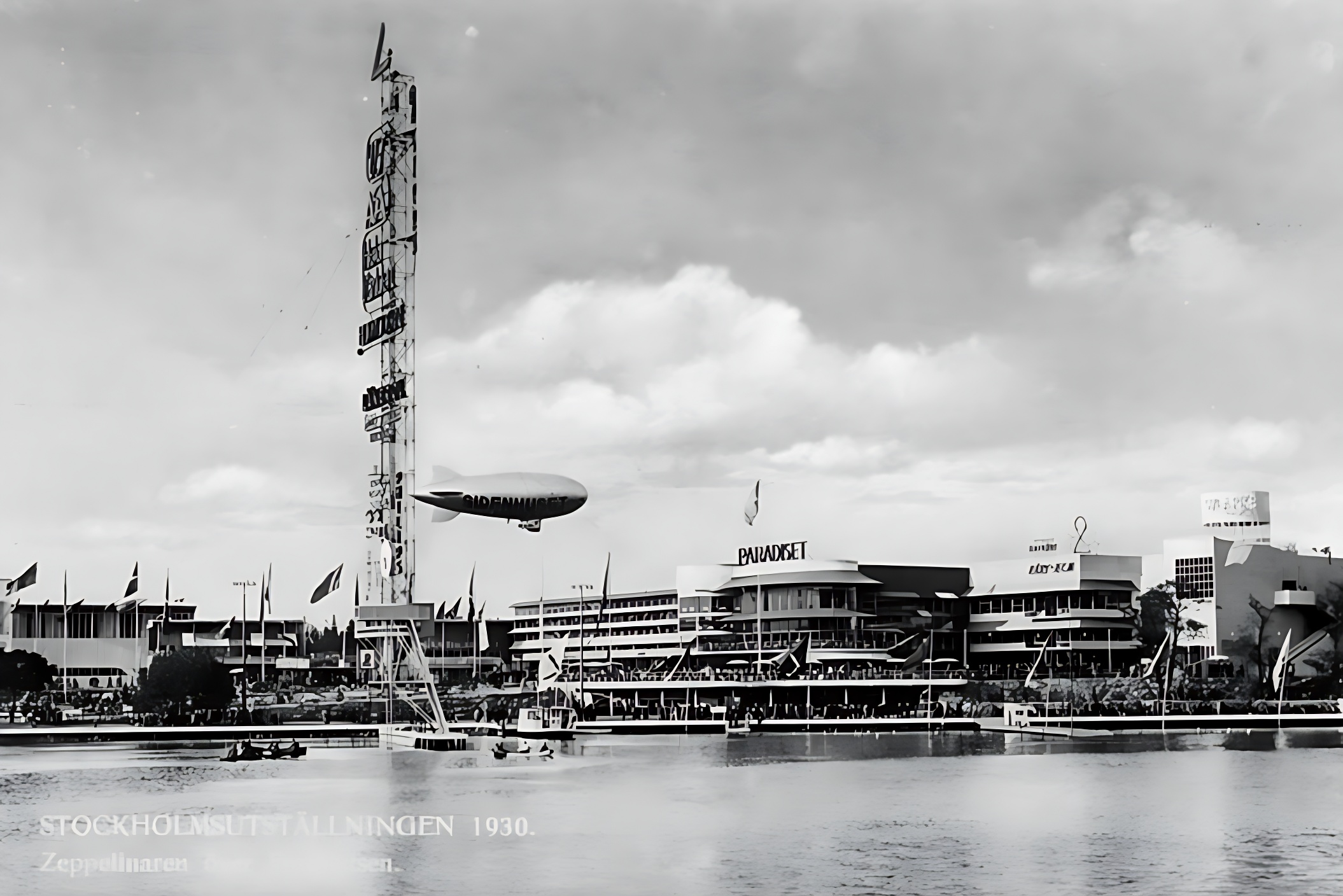
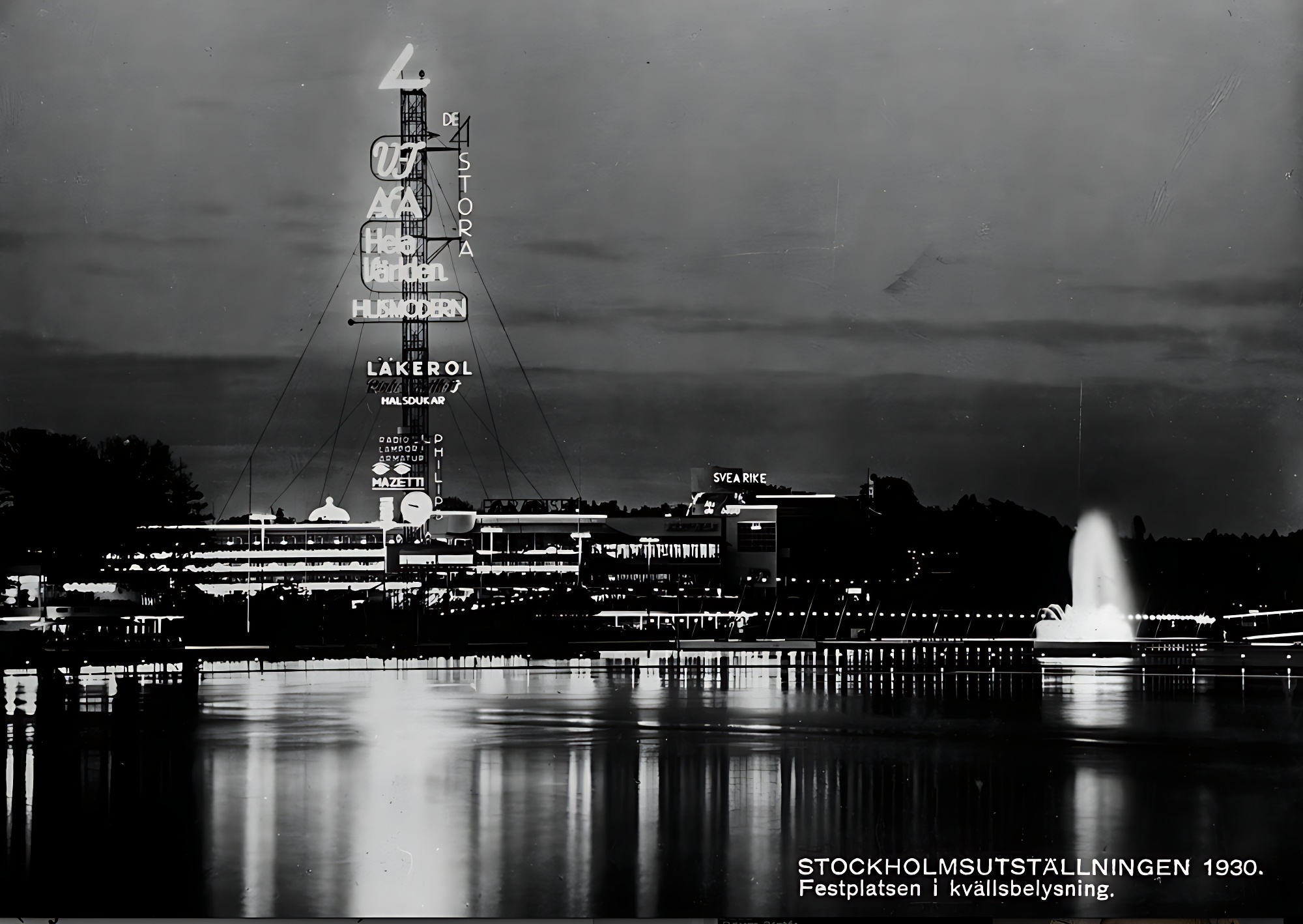
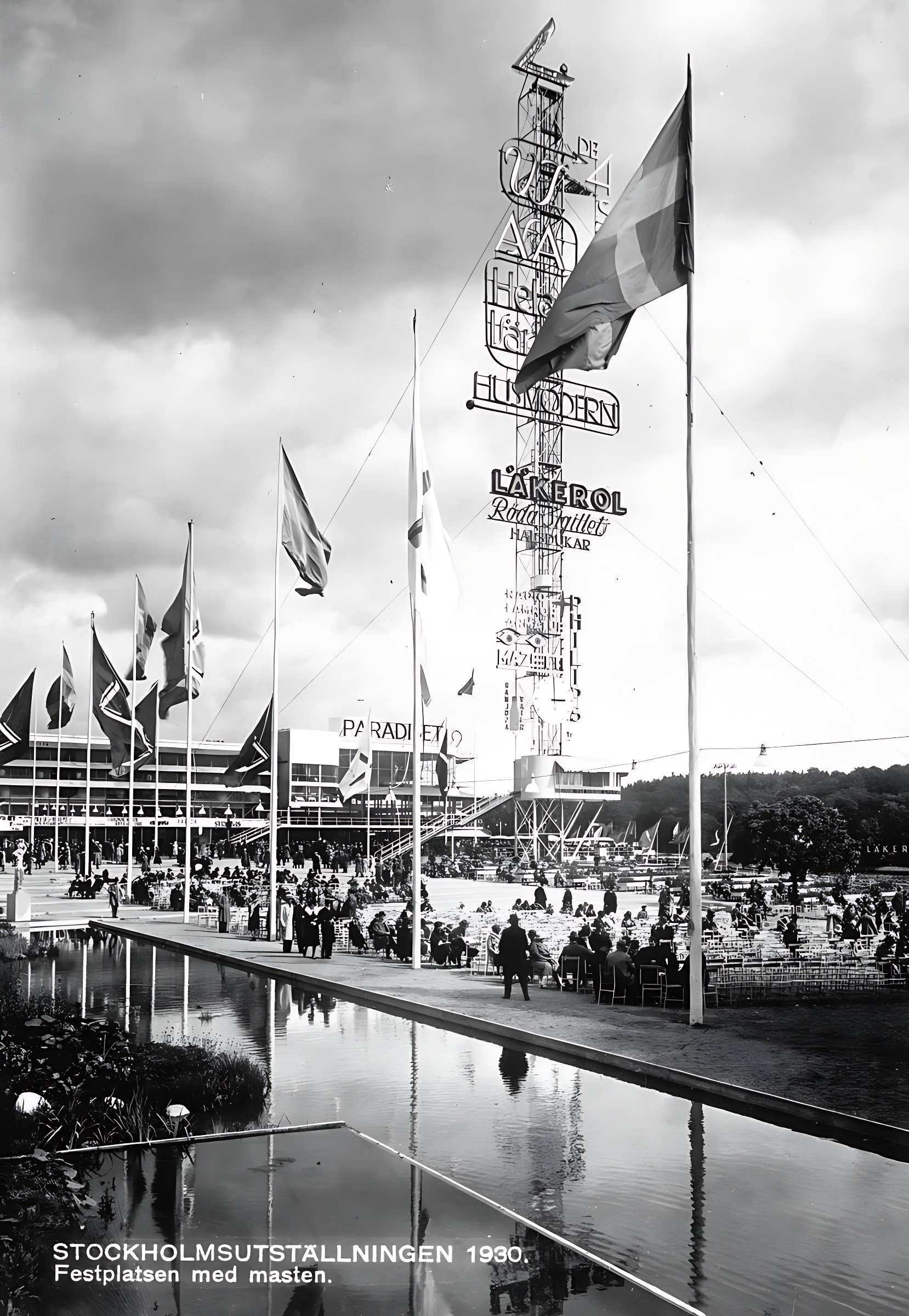
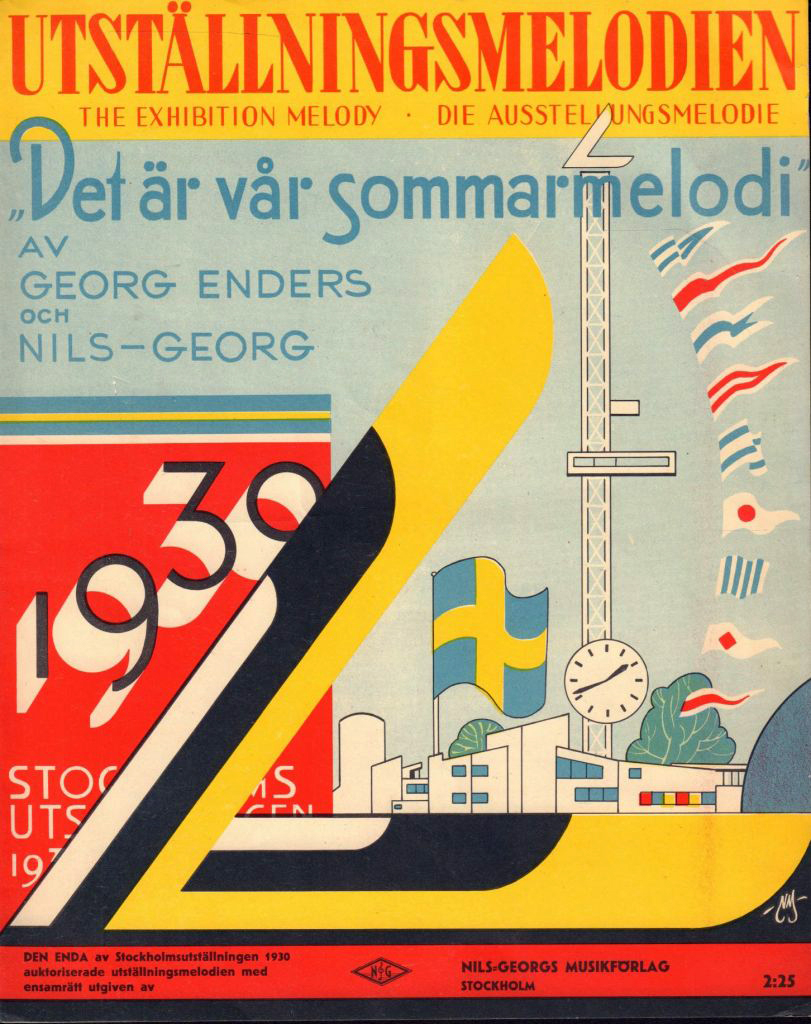
Sivert was 18 years old when he got an apprenticeship with architect Sigurd Lewerentz. Sigurd Lewerentz is described as a man of few words and a strict person who demanded a lot from his employees. Sigurd Lewerentz (1885–1975) was one of Sweden's most prominent and internationally acclaimed architects of all time. Lewerentz was one of the leading figures at the Stockholm Exhibition in 1930, where he designed several exhibition pavilions. He was also involved in the graphic design, including the exhibition logo, posters, and the Stockholm Exhibition's iconic advertising mast. He is particularly known for his role in the design of Skogskyrkogården (The Woodland Cemetery) in Stockholm and for his groundbreaking modernist and raw brick buildings. He won, together with Gunnar Asplund, the competition for the new cemetery in 1915. Lewerentz designed the austere and classicist Uppståndelsekapellet (Chapel of the Resurrection) (1925). He is buried in an "anonymous" grave without a stone, in a hedge or on a lawn, in front of his creation, the chapel "Ås", which he had previously designed at Östra kyrkogården (Eastern Cemetery) in Malmö together with his wife Edth. Sigurd Lewerentz lived to the age of 90 and is buried together with his wife Edith at Östra kyrkogården in Malmö. He originally wanted his grave site on a hill, where there is an ancient monument. Politicians at the time said no to this, and then Sigurd thought the grave should be completely anonymous. The grave is located between the Bronze Age mound and St. Knuts kapell (St. Knut's Chapel), in Quarter: kv 6 BH! The monthly magazine Sköna Hem no. 12, 2018 wrote: "No other historical architecture in the world has a greater influence than Lewerentz." "In Sankt Petri kyrka (St. Peter's Church) in Klippan, water constantly drips from a copper pipe into a gigantic natural mussel from the Indian Ocean, which serves as a baptismal font. This unique design, created by architect Sigurd Lewerentz, provides a meditative sound in the church room. I don't know if Sivert's fascination with mussels might have stemmed from the kinship he felt and the friendship he had with Sigurd Lewerentz. The mussel appears several times as a component in Sivert's public art commissions. In some contexts, a mussel often symbolizes protection, journeys, love, and transformation. Its hard exterior protects the soft interior, making it a symbol of personal safety and integrity. There is another figurative meaning: to keep oneself like a mussel, i.e., to be silent and not reveal any secrets." /JÖ
SverigeKonstfack – Drawing Teacher Training Program+
Konstfack is a Swedish state university college of art, design, and crafts, founded in 1844. The artist and folklorist Nils Månsson Mandelgren founded in 1844 the "Sunday Drawing School for Artisans" in the building of the Royal Academy of Fine Arts. The school was reorganized into Konstfackskolan in 1945. The various subjects of textiles, decorative painting, sculpture, ceramics, furniture and interior design, metalwork, as well as advertising and book crafts had long been referred to as "fack" (disciplines/departments), which is the reason for the name. Before Konstfack's old building, which was located in Kvarteret Beridarebanan, Mäster Samuelsgatan 44, moved in 1959 to newly built premises at Valhallavägen 191-199 in Gärdet, many of our contemporary renowned artists studied there. Sivert was one of them. On this page, there are a number of black and white photographs in an image gallery taken by the artist and sculptor Beth Laurin from her time studying there, before the entire block was demolished to make way for the new City. Beth Laurin has generously allowed these to be included on this website. Naturally, the images' © copyright belongs to Beth Laurin 1956. Since 2004, Konstfack has had its premises at Telefonplan in Midsommarkransen in Stockholm.
Collaboration with Architect Peter Celsing+
Sivert had a long friendship (1957–1974) with the architect Peter Celsing (1920–1974). They collaborated on many different projects over the years. Their collaboration began with S:t Thomas Church in Vällingby and ended with Peter Celsing's last work, Kulturhuset in Stockholm. On the website, you can read more about their collaboration. Enter Peter Celsing into the magnifying glass icon at the top right of the page to find links to him. Or why not "Ask the Guide" at the bottom of the page?
StockholmThe Royal Institute of Art+
The history of the Royal Institute of Art dates back to 1735. For a long time, the school was part of the Royal Academy of Fine Arts, which emerged from the drawing school established during the construction of Stockholm Palace. Through a parliamentary decision in 1766, the Academy secured its operations, and its statutes were approved by Gustav III in 1773. This was done with the French art academy as a model. The school consisted of a painting and sculpture school, as well as an architecture school. Teaching was conducted in architecture, graphics, anatomy, perspective theory, cultural history, and painting, with particular interest in classical Greek and Roman art and culture. In 1775, the Academy moved to the palace that the founder Gerhard Meyer had donated. From the Meyer Palace, the art academy got its nickname Mejan. The school was reformed in 1909 and became a higher state educational institution. It also received its current name then, the Royal Institute of Art. The school was divided into three schools – drawing, painting, and sculpture – as well as a two-year building school. The Royal Institute of Art was separated in 1978 from the Royal Academy of Fine Arts, the Academy of Art, which since 1780 had its own premises in the Academy of Art's house at Fredsgatan 12 in Stockholm, to become an independent university college. But only in 1995 had all teaching been moved to the Royal Institute of Art on Skeppsholmen. Until 1978, the Academy of Art was also the governing body for the Royal Institute of Art.
StockholmResident in Locarno (Ticino), Switzerland+
Sivert lived with his Swiss wife Marianne for a number of years in the medieval city of Locarno while making the molds for what would become one of his first major public art commissions. The art installation was intended to be located in what was then called "Vällingby backe" and is today a staircase. The bronze sculpture group consists of two parts. It was created during the years 1963–66 when he was living in Locarno. It was installed in 1967. It is one of very few sculptures to which he has given a descriptive name. It is called "Hatkärlek." Locarno is a small town and municipality in the canton of Ticino in southern Switzerland. The city is located on the northern shore of Lake Maggiore. During pre-Christian times, a Celtic settlement was located in Locarno; the settlement's Celtic name, Leukarni, forms the basis for the city's current name. The locality is mentioned as a city in 789 AD and was alternately ruled during the Middle Ages by the Bishop of Como and the Duke of Milan. In the mid-14th century, the Duke of Milan had a mighty fortress erected in the city to secure control over one of the most important routes across the Alps, namely the Gotthard Pass. The fortress was captured by the Swiss Confederation in 1513. “To try to analyze Sivert’s art is like seeking out the sources. He rarely leaves traces behind, but they are there for anyone who takes the trouble to combine his formal language with an association and a time perspective in their own imagination. When I grew up in my teens near this sculpture group, I naturally wondered what I thought I saw when I was on my way to the youth center "Tegelhögen," which was also located in the staircase at the time for some pop concert. There was a contradiction between the forms. Something lay flat on the ground and something else was moving down the stairs. What I then thought I saw was partly an enlarged Roman helmet, laid down lying on a slab. I interpreted it as a grave and behind it an "inkblot" that had become three-dimensional. In psychology, inkblots are sometimes used in the so-called Rorschach test, which the Swiss psychiatrist Hermann Rorschach had developed to evoke thoughts, reactions, and feelings that the observer experiences from looking at the inkblot. What it was in these forms that Sivert pondered when he staged this encounter with a flying ink projectile and a protective helmet, we can only speculate.” /JÖ SEE MORE from Vällingby backe
Teacher in Theory of Form, School of Architecture KTH, Stockholm+
Being a teacher in theory of form at KTH involves teaching form, aesthetics, and spatial design, but the subject in its original form as an independent professorship was discontinued in 2009. Today, parts of the knowledge concerning form, sketching principles, and design continue in courses within industrial product development and architecture. Form and Composition: Teach principles for proportions, lines, volume, and aesthetic expression. Practical Exercises: Guide students in model building, sketching, and physical design of products or spaces. Material Understanding: Show how material choice affects formability, function, and experience.
Vällingby Hill+
Art in 1950s Vällingby – Sweden's first ABC city (Arbete, Bostad, Centrum – Work, Housing, Centre) – was integrated into the urban planning itself. The one-percent rule during the boom years of the 1950s meant that sculptures and artistic details were naturally integrated into park environments and building facades. The one-percent rule is an economic principle meaning that approximately one percent of the total budget for new construction, renovation, and expansion of public environments, buildings, and infrastructure is allocated to artistic design. The one-percent rule was introduced in Sweden in 1937 following an initiative by the then Minister of Ecclesiastical Affairs, Arthur Engberg. For this suburban program, "Ungdomsgårdar" (youth centers), now called "fritidsgårdar" (recreational centers), were created. These were intended as safe meeting places for young people in their free time. There, one could fika (have coffee and snacks), listen to music, and talk with friends after school in a meaningful and alcohol-free environment with adult leaders. One could play billiards, ping-pong, dance on Saturdays, and play the latest pop songs on a jukebox. "Public art contributes an existential and humanistic dimension to our shared living environments. It builds bridges between time and space; it can serve as a gathering place for experiences of transformative events, both bright and dark, and as part of the collective memory of public figures. 'It can evoke feelings and questions that inspire conversation; it can challenge norms and make power structures visible,' writes KRO – Konstnärernas riksorganisation (The National Organization of Artists) – in its appeal for the one-percent rule. "To try to analyze Sivert's art is like seeking out the sources. He rarely leaves traces behind, but they are there for those who take the trouble to combine his form with an association and a time perspective in their own imagination. Since I grew up near this sculpture group, I naturally wondered what I thought I saw on my way to the youth center "Tegelhögen," which was also located on the staircase. The impression on the staircase was something completely different from what I was used to, as most things were at right angles. What I occasionally thought I saw was partly an enlarged Roman helmet, discarded and lying on a slab I interpreted as a grave, and an inkblot that had become three-dimensional. In psychology, inkblots are sometimes used in the so-called Rorschach test, which the Swiss psychiatrist Hermann Rorschach developed to evoke thoughts, reactions, and feelings that the observer experiences from looking at the inkblot. I didn't get further than that it was an inkblot about to hit the combat helmet. Much later, while writing this, I learned that infantrymen in the early Swiss armies wore "iron hats," open helmets with wide brims that protected against cuts. The helmet hindered neither sight nor hearing, which meant that the infantryman's senses remained sharp and he could react better to commands and maneuvers in formation. The wide brim was excellent for deflecting cuts and blows from above and could effectively parry attacks from cavalry. The helmets were particularly suitable for sieges, as the brim deflected arrows coming from above. It was enough to simply tilt the chin and helmet slightly downwards when danger threatened for most of the wearer's head to act as a protective surface deflecting projectiles. As an added benefit, the helmet also provided the wearer with some shade. Whether this was something Sivert pondered when he created this encounter between a flying ink projectile and a protective helmet, we can only speculate. The youth center Tegelhögen in Vällingby was originally called Centrumgården when it opened in the 1950s. The name Tegelhögen became a beloved and established nickname given by the young people themselves due to the building's prominent brick architecture and its location in the then brand-new ABC city.”
StockholmMember, Royal Academy of Fine Arts+
The Royal Academy of Fine Arts is one of Sweden's oldest royal academies, founded in 1735. Its members – who are elected by the academy itself – represent fine art, sculpture, architecture, and design. Sivert Lindblom was elected as a member in 1974. To be a member of the Royal Academy of Fine Arts (Konstakademien) means being an elected representative of the country's foremost professionals in art and architecture, with the task of promoting the fine arts and managing the academy's independent cultural role. Membership is for life or in certain categories among active artists and architects. The members participate in deciding on the distribution of prizes, scholarships, and grants from the academy's funds to active artists. Their task is to safeguard knowledge, long-term perspectives, and artistic freedom in public society, as well as the independence of culture.
StockholmMember, Public Art Agency Sweden+
Being a member of the Public Art Agency Sweden means being part of the special decision-making body that makes formal decisions regarding public art projects and acquisitions. The assignment, which is appointed by the Board of Moderna Museet after the Public Art Agency Sweden became part of Moderna Museet, focuses on safeguarding the quality and integrity of art in public environments. To participate in 6–8 meetings per year to decide on permanent and temporary art projects as well as new acquisitions.
K.A. Lind's Honorary Prize+
K.A. Lind's Honorary Prize (also known as Moderna Museet's Friends' Sculpture Prize) is a major Swedish art prize awarded by Moderna Museet's Friends. The prize of 400,000 kronor is awarded to a skilled sculptor or artist. The prize was established by textile artist Sigrid Lind to honor the memory of her parents, Karl August and Kristina Amalia Lind. It has been awarded every other year since 1950.
The Stone Prize, Swedish Stone Industry Federation+
The Stone Prize is a Swedish architecture prize awarded annually by the Swedish Stone Industry Federation to reward architects who use natural stone in an aesthetic, sustainable, and innovative way. Purpose: To celebrate good architecture and craftsmanship where Swedish or foreign natural stone is used in Swedish projects.
Prins Eugen Medal+
The Prins Eugen Medal is a Swedish royal award that was instituted by King Gustaf V in 1945 in connection with Prins Eugen's 80th birthday. The medal is awarded to Swedish and Nordic artists, architects, and designers who have made an outstanding artistic contribution. Awarded annually by the King on Eugen Day, November 5th, at the Palace.
Member, The Swedish Road Administration's Beauty Council+
Being a member of the Swedish Road Administration's Beauty Council (later the National Environmental and Beauty Council) meant providing expert support in aesthetic values, adaptation to natural and cultural environments, and the art of good road construction. They are to provide an aesthetic assessment: reviewing and giving feedback on how roads, bridges, and traffic facilities are designed to fit into the surrounding landscape.
Professor of Sculpture, Royal Institute of Art+
Professor of Sculpture at the Royal Institute of Art (KKH) in Stockholm – one of Northern Europe's leading artistic higher education institutions. Sivert Lindblom was appointed professor in 1991. Being a professor of fine art with a focus on sculpture and installation at the Royal Institute of Art means leading teaching, supervising students in their artistic processes, conducting artistic research, and being responsible for the development of the workshops and the subject area in an active artistic environment. Provide individual supervision to students and lead teaching in studios and seminars. Maintain an active personal artistic practice at an international level within sculpture and installation. Develop curricula, participate in admission processes for new students, and collaborate with the surrounding community.
StockholmThe Sergel Prize+
The Sergel Prize was established by the Royal Academy of Fine Arts in memory of the artist Johan Tobias Sergel. A total of 17 Swedish sculptors have received the prize since 1945, and a gold plaque with Sergel's image is included. The sculptors who have received the Sergel Prize all represent a Swedish art history in terms of expression, material, form, and content. The fund that forms the basis for the prize was originally intended to be used for a monument to the artist, professor, member, and director of the Royal Academy of Fine Arts, as well as the nobleman Johan Tobias Sergel. Today, he is known and appreciated not least for his lively and often both humorous and erotic drawings and washes. The Royal Academy of Fine Arts decided, after consideration, to honor Sergel's memory by establishing a prize for Swedish sculptors to be awarded every five years at a particularly solemn ceremony. The first prize was awarded to Carl Eldh in 1945. Sivert was awarded the Sergel Prize in 1995.
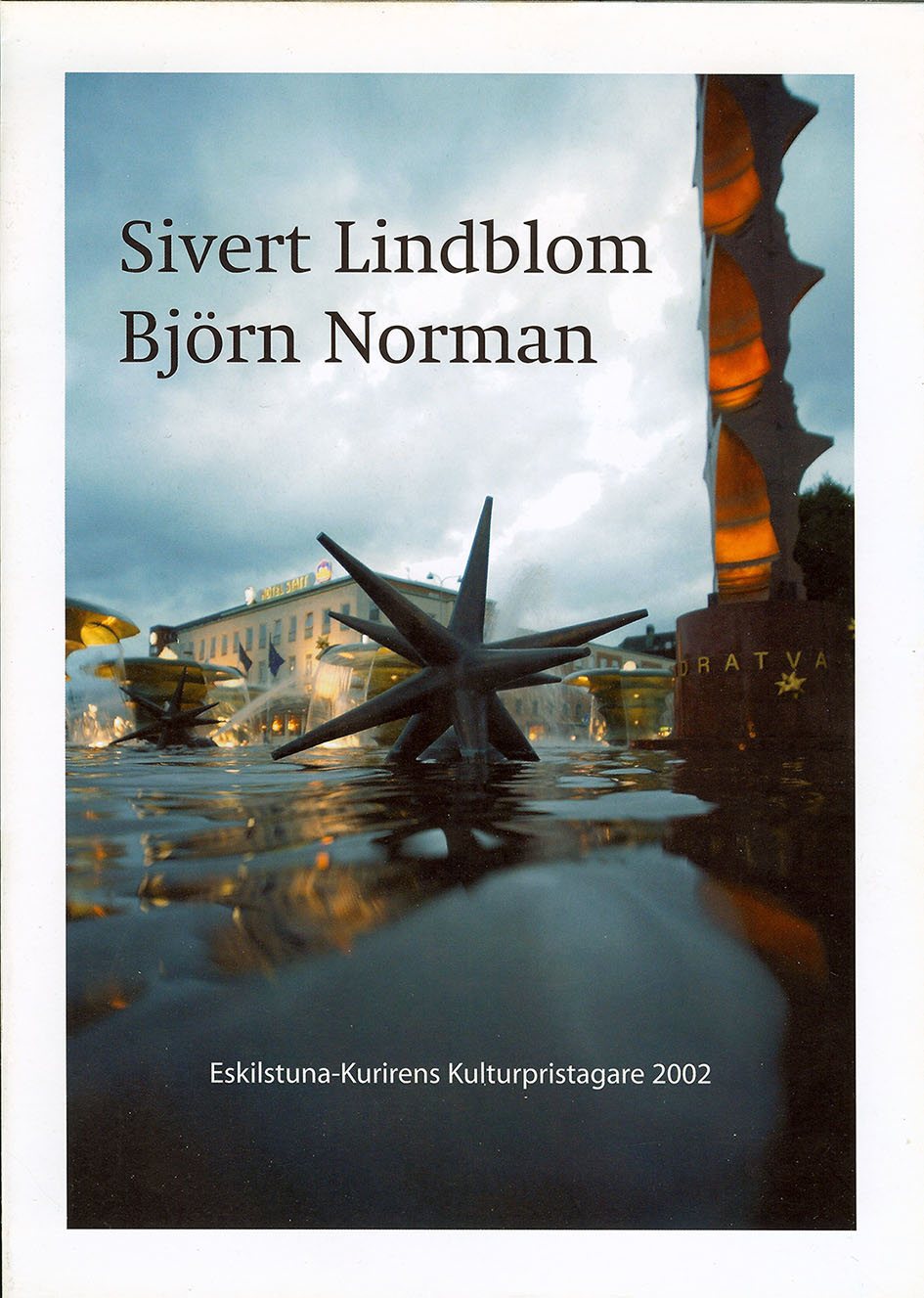
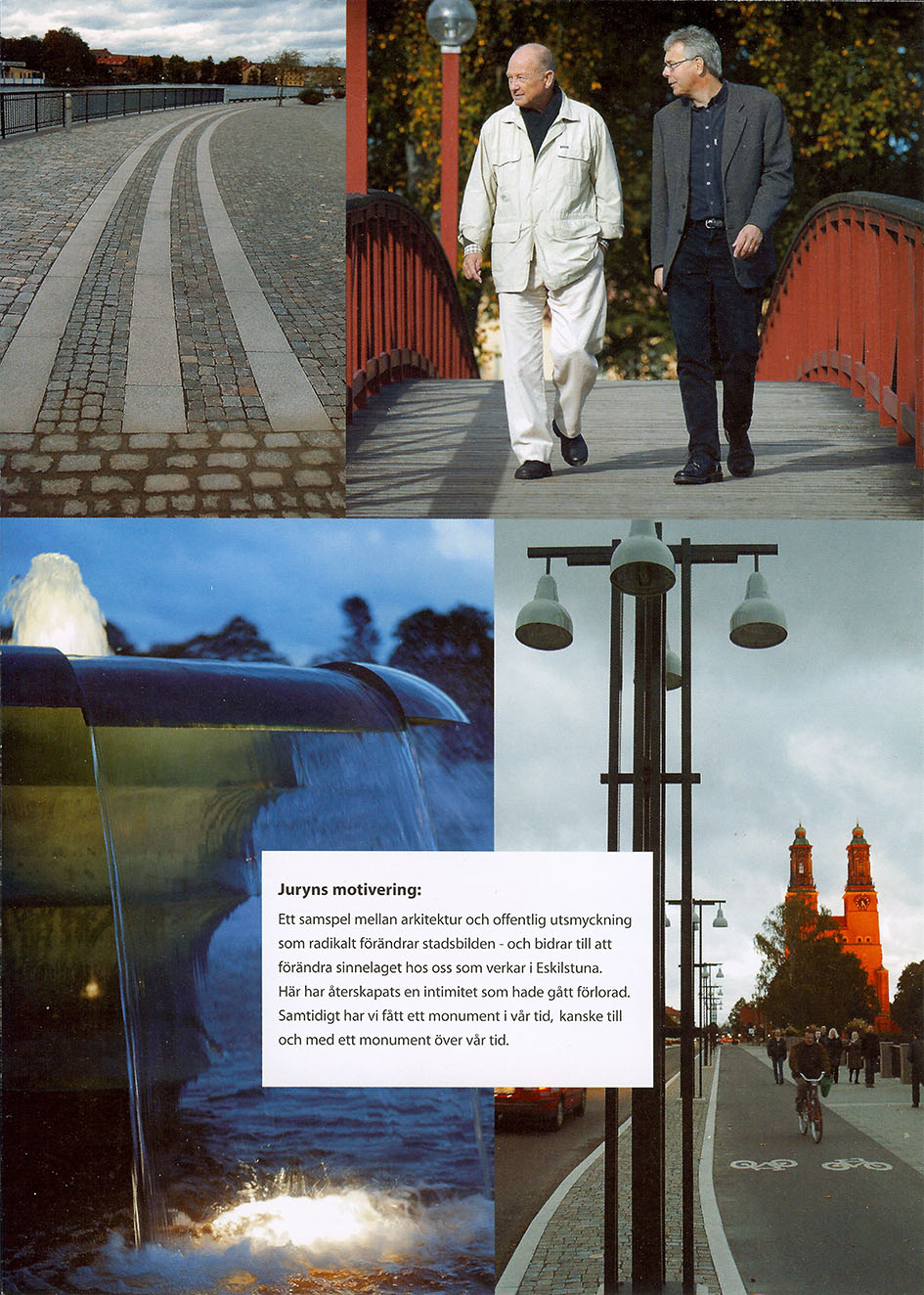
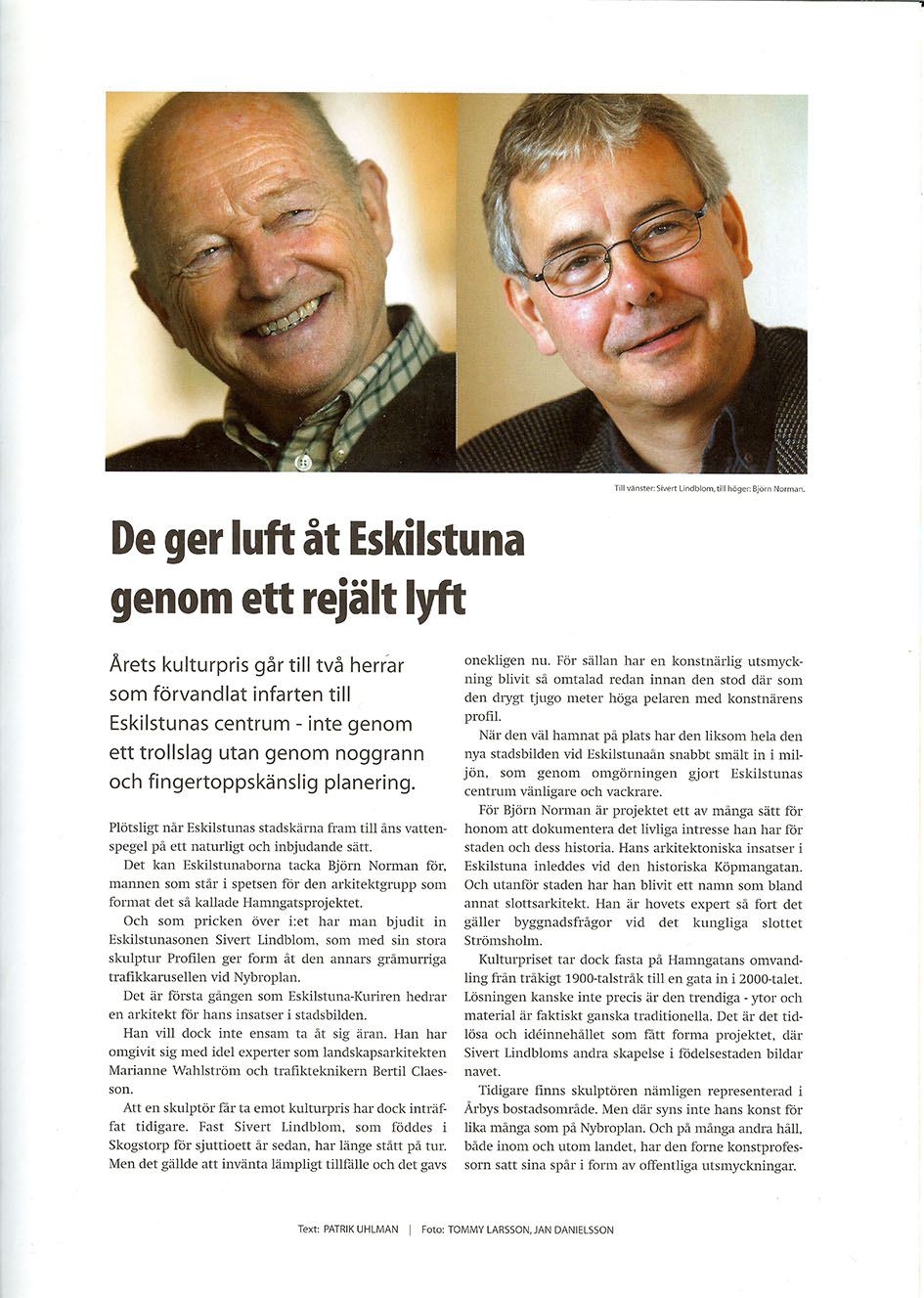
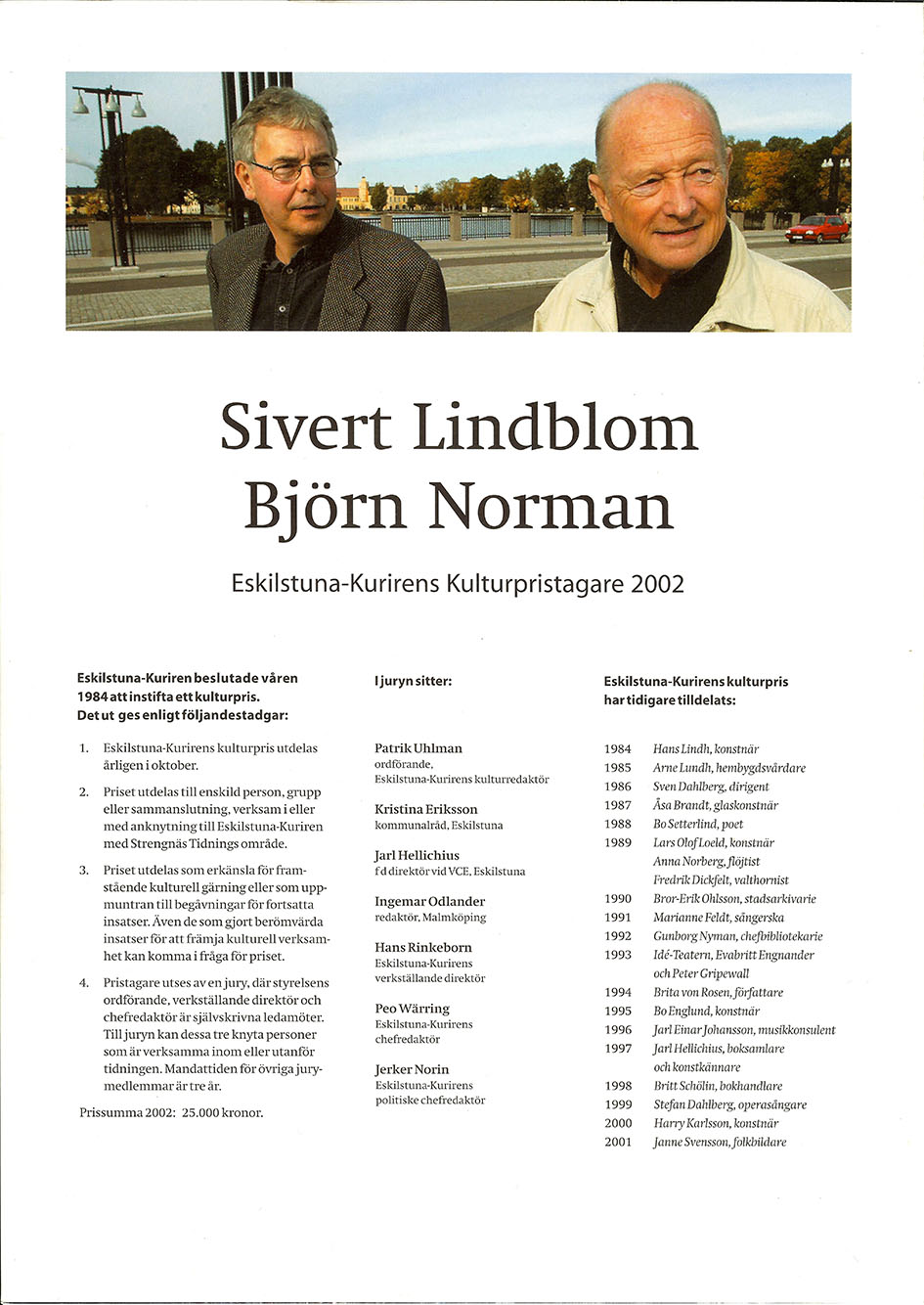
Kungl. Akademien för de fria konsternaEskilstuna-Kuriren's Cultural Award+
Eskilstuna-Kuriren's Cultural Award is an annual award presented to an individual or group for significant contributions to local culture. It is awarded by the newspaper Eskilstuna-Kuriren and is linked to the newspaper's distribution area. The award has been presented annually since 1984 by Eskilstuna-Kuriren together with Strengnäs Tidning.
The S:t Erik Medal+
The S:t Erik Medal is a Swedish honorary award that since 1938 has been awarded by the City of Stockholm to individuals who have made significant contributions to the city or distinguished themselves in cultural life, community work, and science. Among the first recipients was the architect of Stockholm City Hall, Ragnar Östberg. Sivert received the S:t Erik Medal in 2002 with the following motivation: "Creative artist whose many beautiful and exciting sculptures in squares and on bridges are important elements in the cultural city of Stockholm."
Prizes & awards
K A Linds Hederspris+
K.A. Linds hederspris (även kallat Moderna Museets Vänners skulpturpris) är ett stort svenskt konstpris som delas ut av Moderna Museets Vänner. Priset på 400 000 kronor går till en skicklig skulptör eller konstnär. Priset är instiftat av textilkonstnären Sigrid Lind för att hedra minnet av hennes föräldrar, Karl August och Kristina Amalia Lind. Det har delats ut vartannat år sedan 1950.
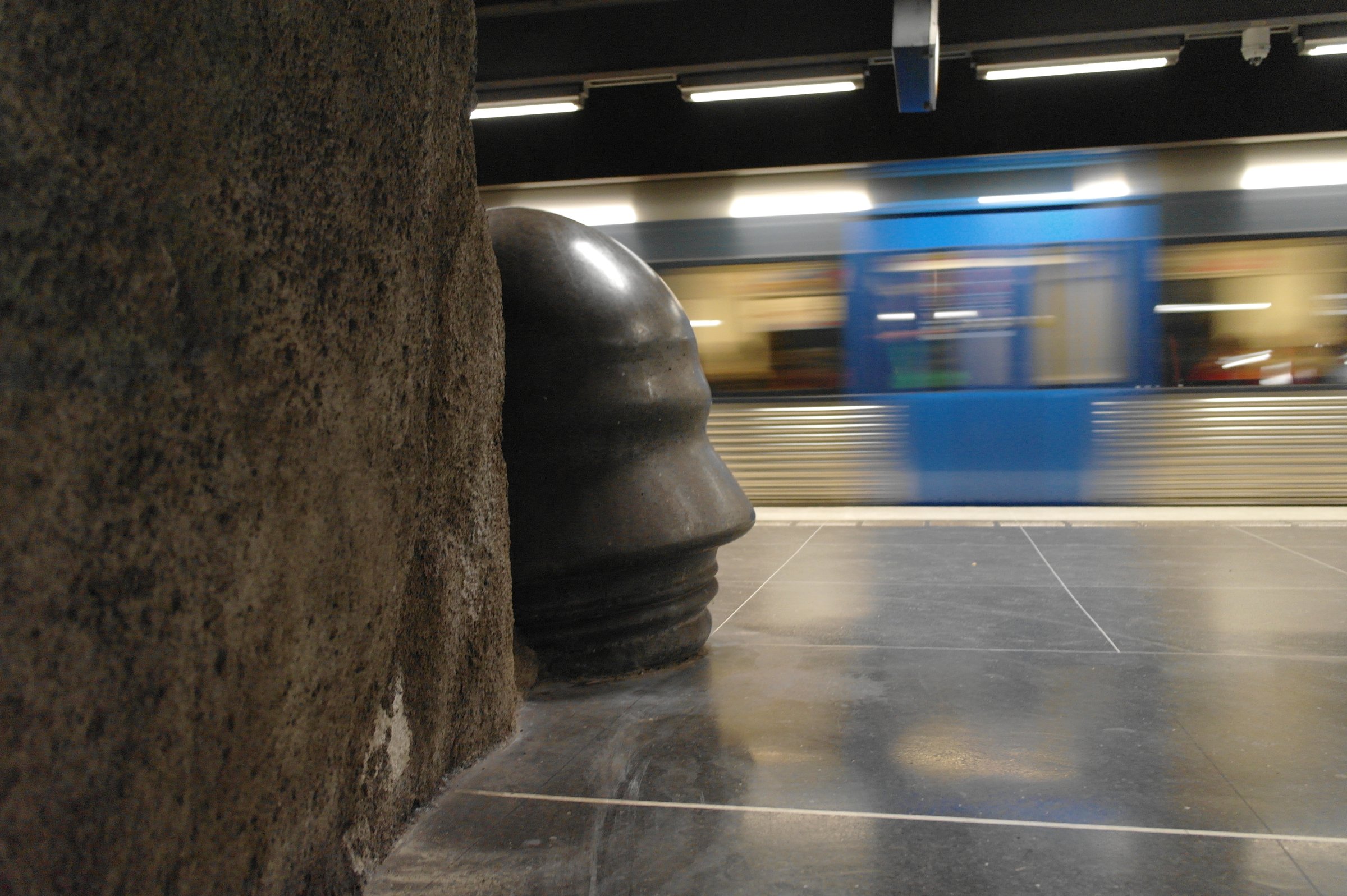
Stenpriset+
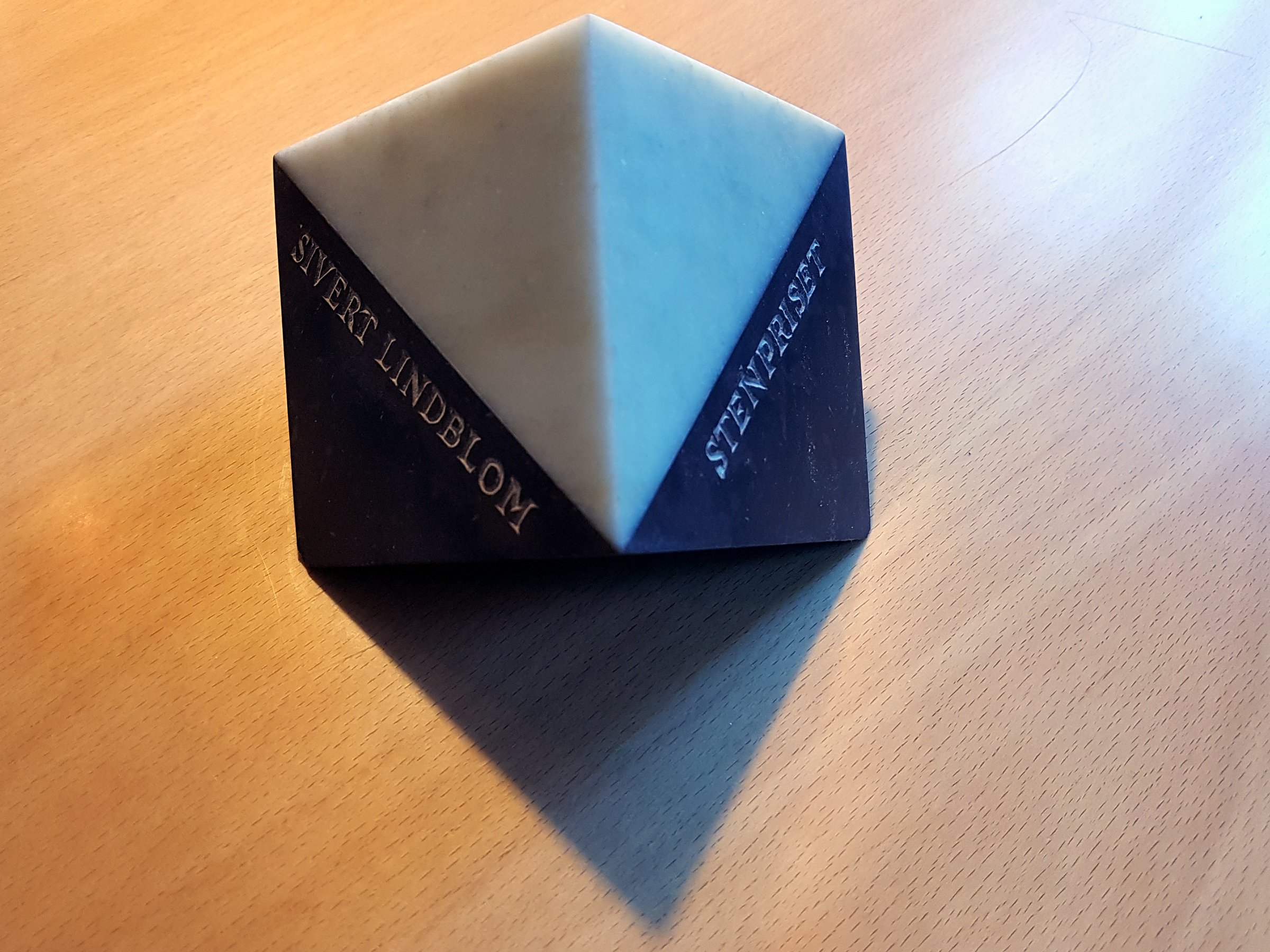
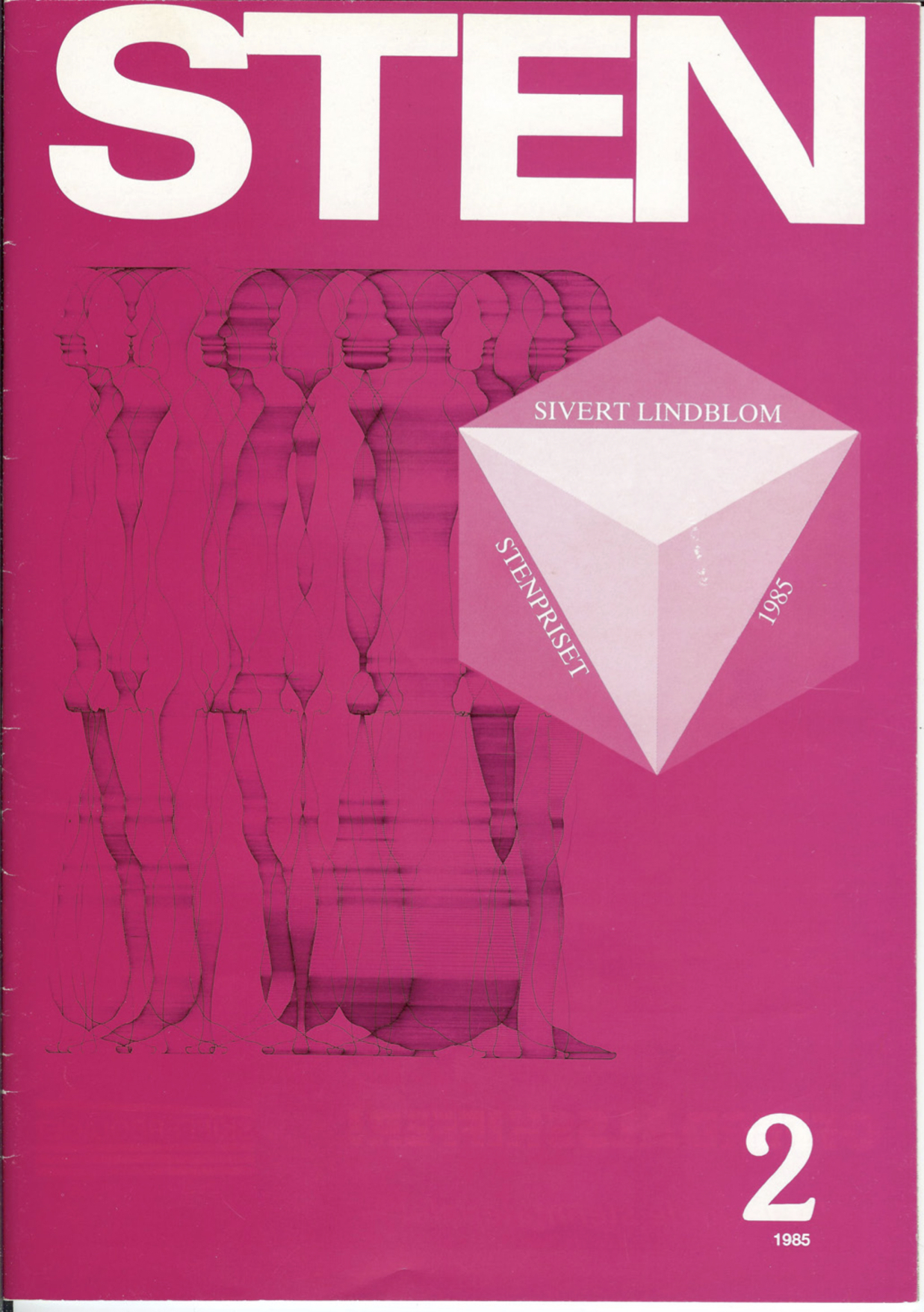
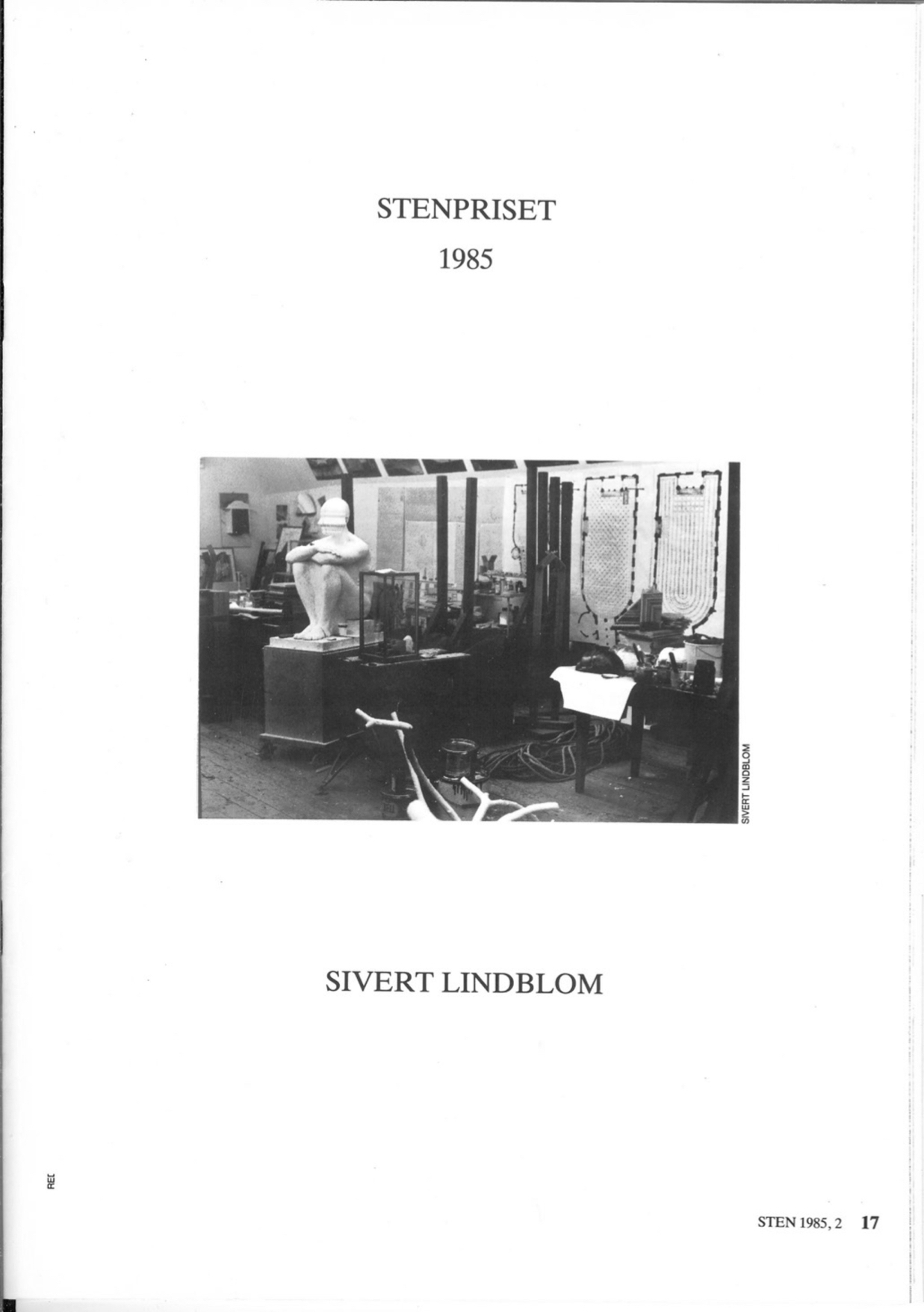
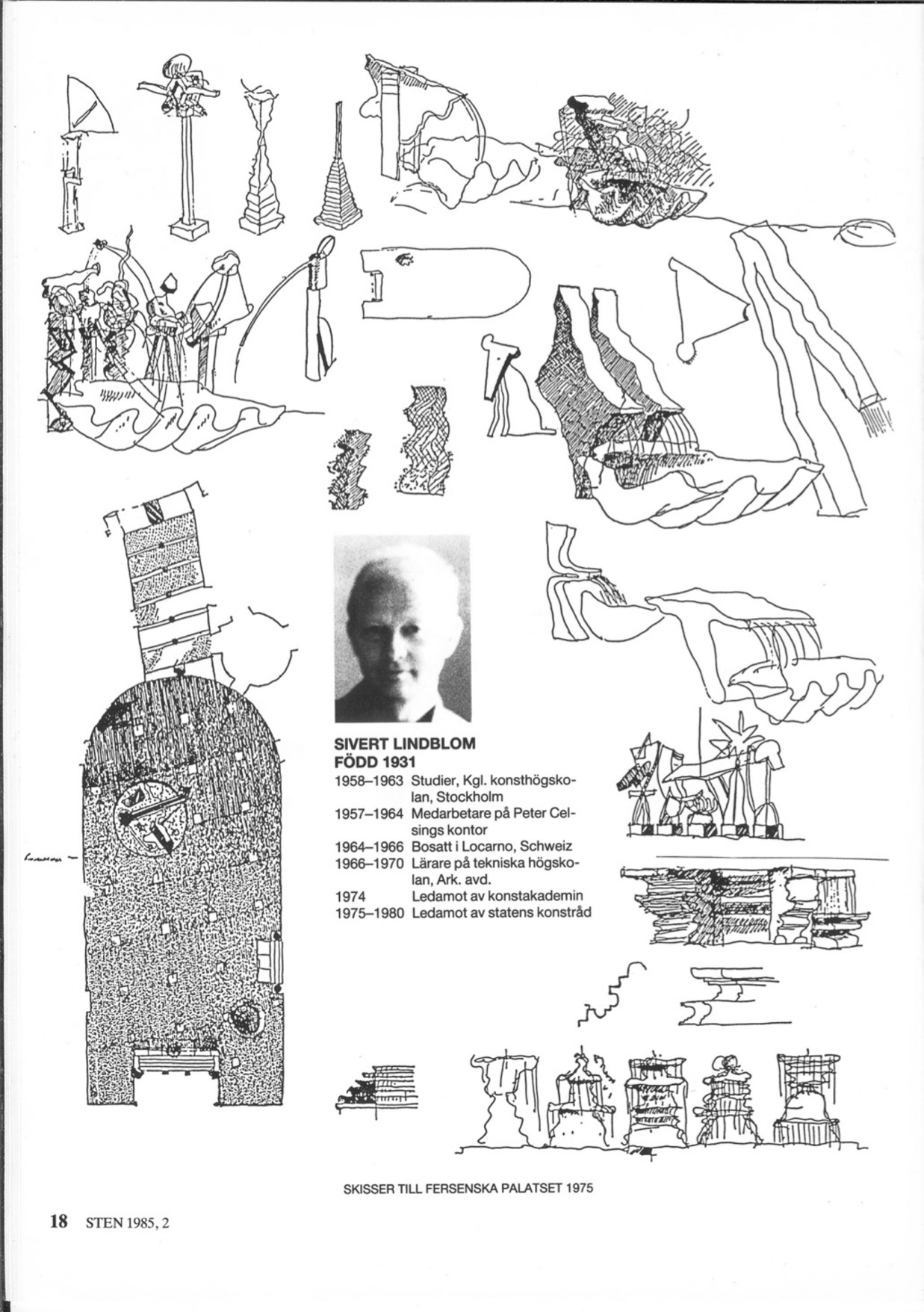
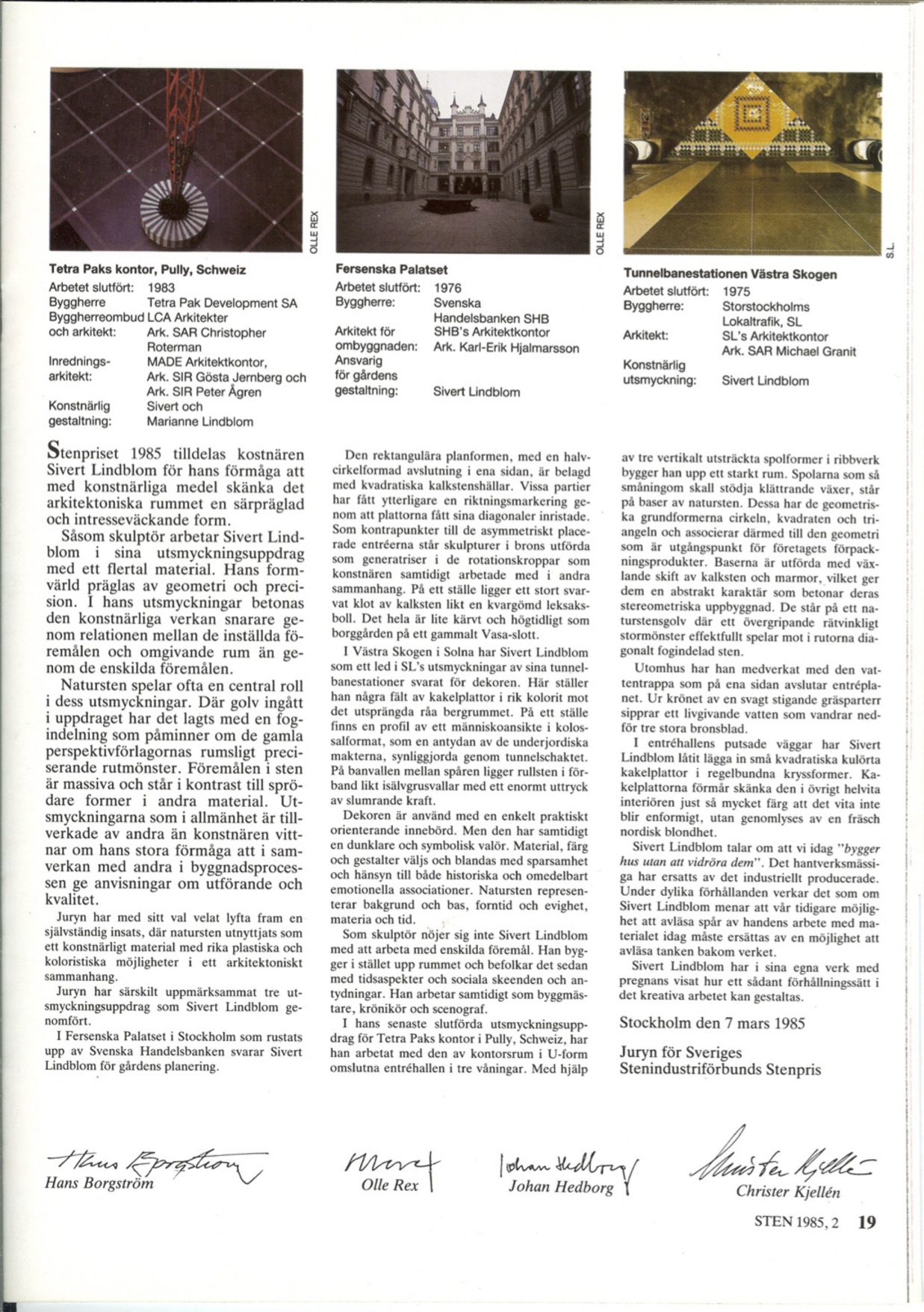
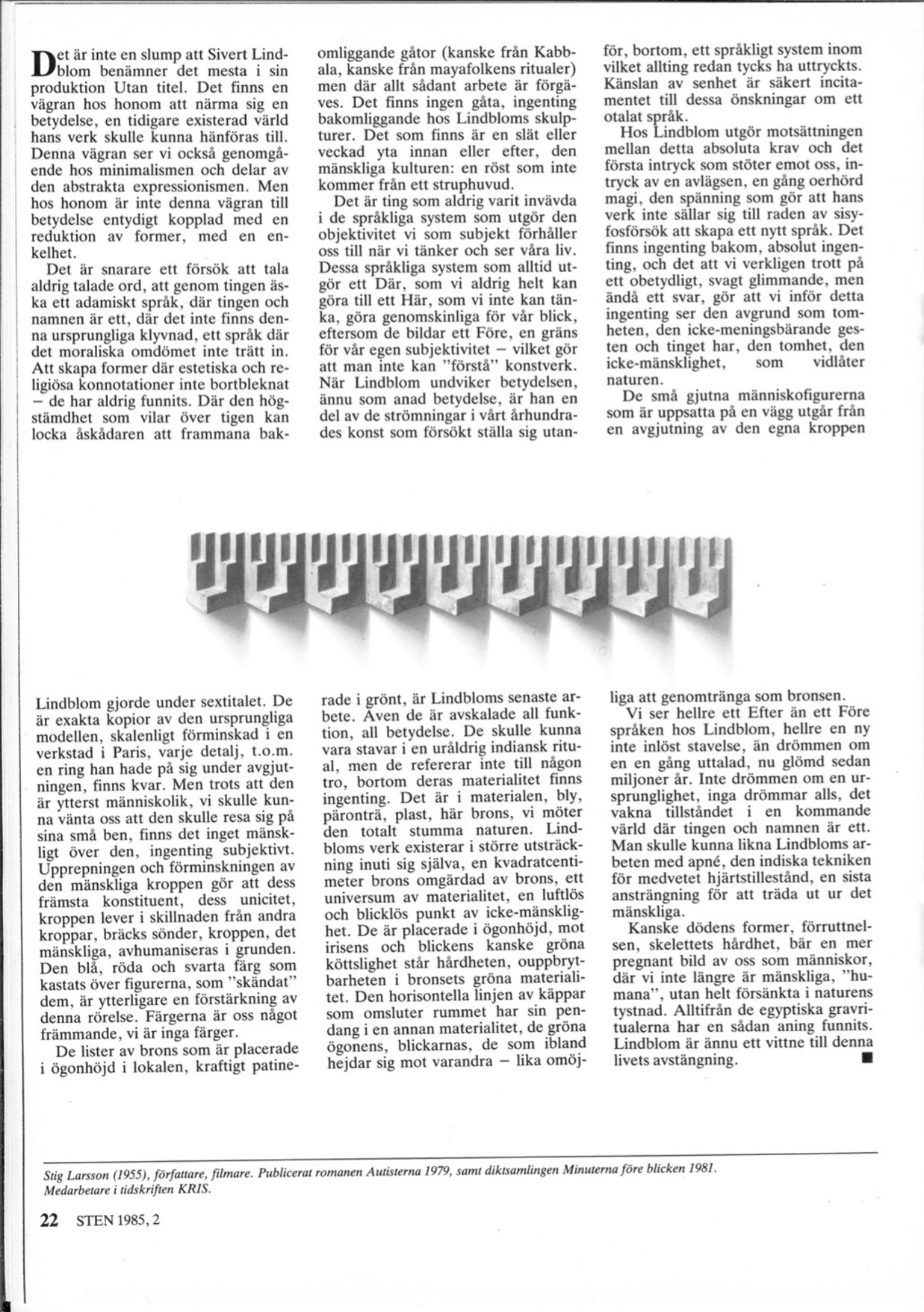
Sveriges StenindustriförbundStenpriset är ett svenskt arkitekturpris som årligen delas ut av Sveriges Stenindustriförbund för att belöna arkitekter som använder natursten på ett estetiskt, hållbart och nyskapande sätt. Syfte: Hylla god arkitektur och gott hantverk där svensk eller utländsk natursten används i svenska projekt. "Stenpriset 1985 tilldelades Sivert för hans förmåga att med konstnärliga medel skänka det arkitektoniska rummet en särpräglad och intresseväckande form."
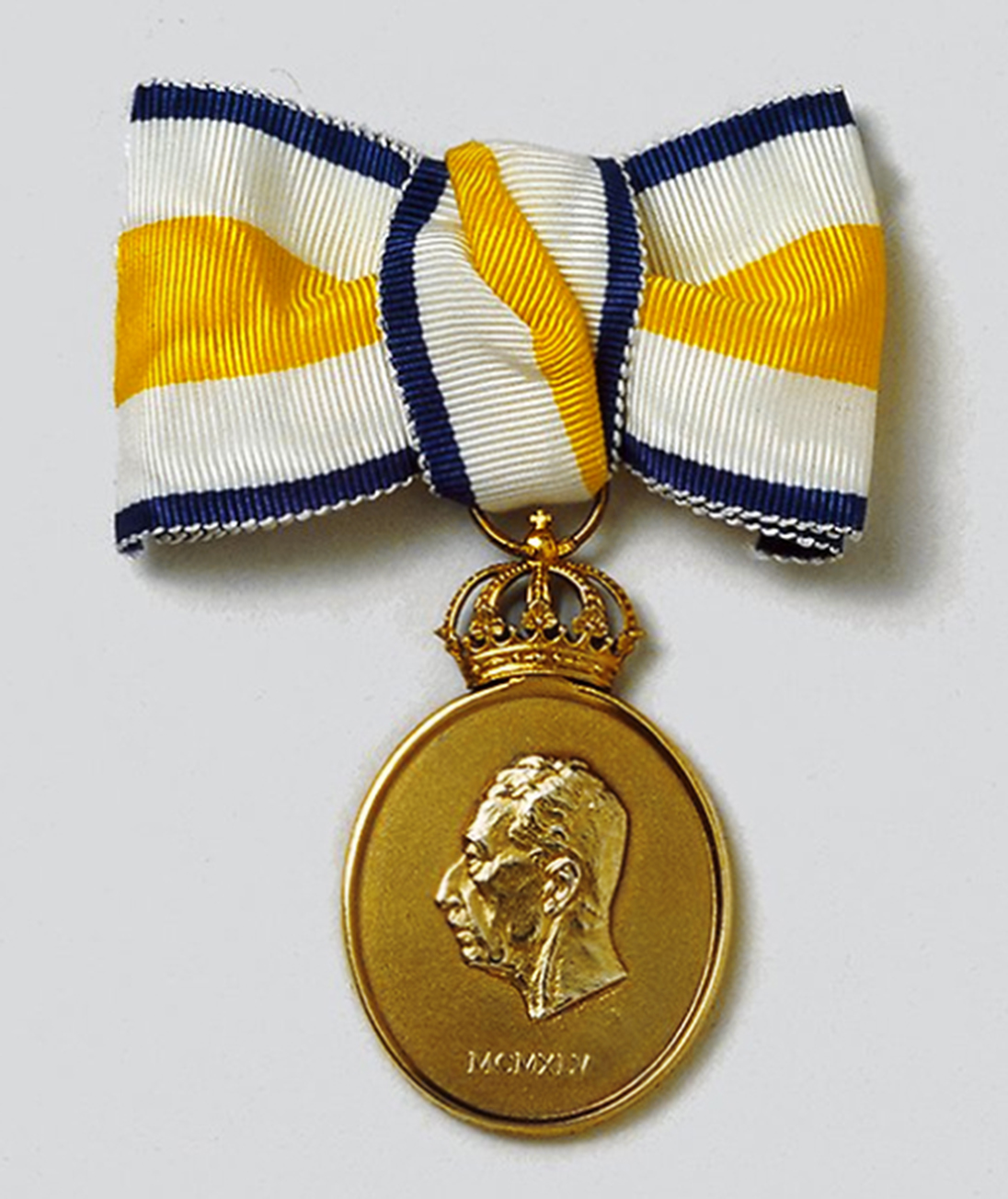
Prins Eugen-medaljen+
Prins Eugen-medaljen delas ut av Sveriges kung, Carl XVI Gustaf, vid en ceremoni på Stockholms slott. Prins Eugen-medaljen instiftades av Konung Gustaf V i samband med Hertigen av Närke, Prins Eugens, 80-årsdag år 1945. Medaljen tilldelas för framstående konstnärlig verksamhet. Den bär prins Eugens bild och bärs på bröstet i vitt-gult-vitt band med blå kantränder. Den utdelas på Eugendagen den 5 november.
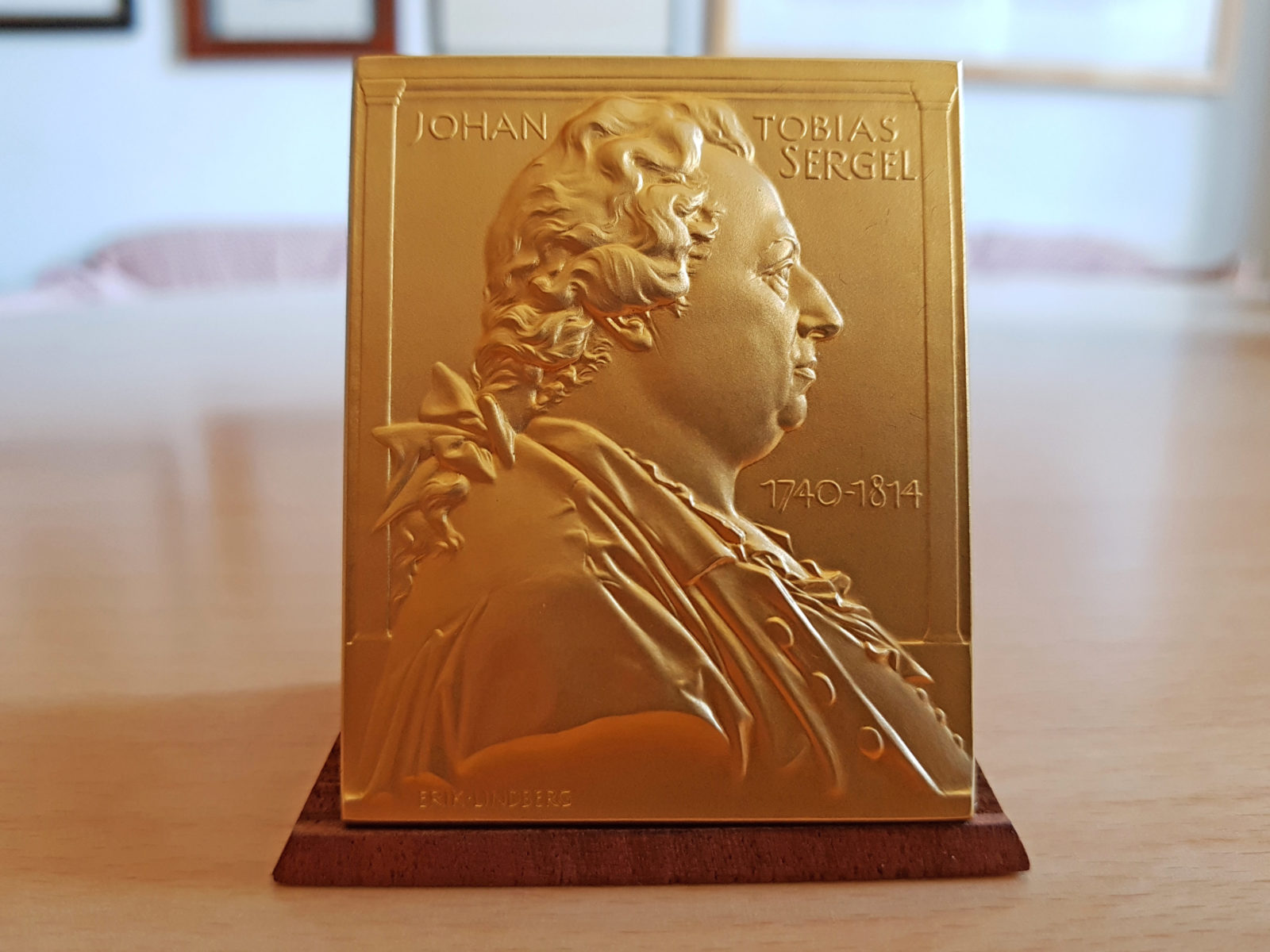
Sergelpriset+
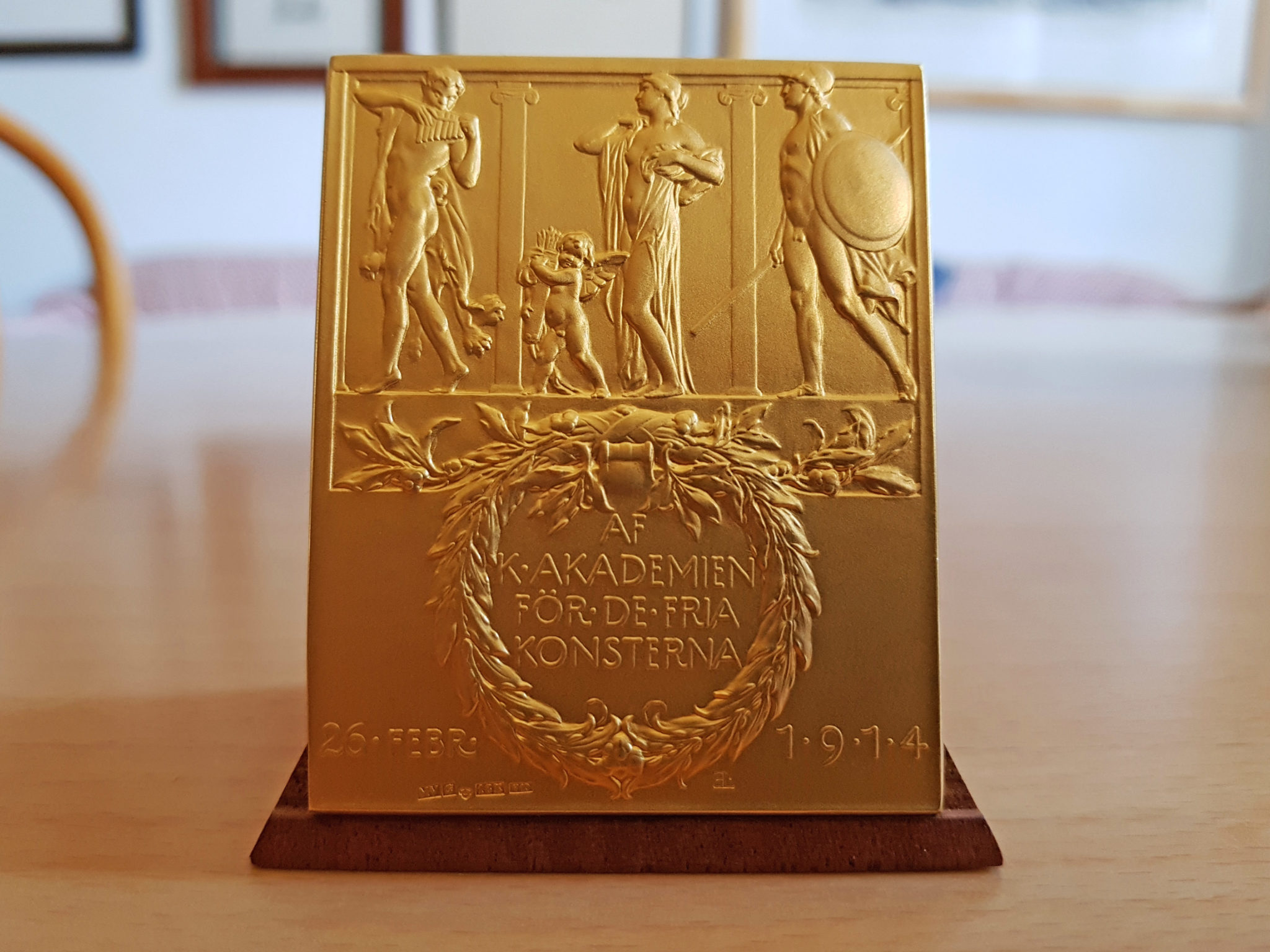
Kungl. Akademien för de fria konsternaSergelpriset är instiftat av Kungl. Akademien för de fria konsterna till minnet av konstnären Johan Tobias Sergel. Sammanlagt har 17 svenska skulptörer mottagit priset sedan 1945, bland vilka en guldplakett med Sergels bild ingår. De skulptörer som fått Sergelpriset tecknar alla en svensk konsthistoria vad gäller uttryck, material, form och innehåll. Den fond som ligger till grund för priset var ursprungligen tänkt att användas till ett monument över konstnären, professorn, ledamoten och direktören vid Konstakademien, tillika adelsmannen Johan Tobias Sergel. Han är idag känd och uppskattad inte minst för sina livfulla och ofta både humoristiska och erotiska teckningar och laveringar. Konstakademien beslöts efter övervägande att hedra Sergels minne genom att instifta ett pris till svenska skulptörer att delas ut vart femte år vid en särskilt högtidlig ceremoni. Det första priset delades ut till Carl Eldh 1945. Sivert förärades Sergelpriset 1995.
S:t Eriksmedaljen+
Stockholm stadS:t Eriksmedaljen är en svensk hedersutmärkelse som sedan 1938 delas ut av Stockholms stad till personer som har gjort stora insatser för staden eller utmärkt sig inom kulturliv, samhällsarbete och vetenskap. Bland de första som fick den fanns arkitekten till Stockholms stadhus, Ragnar Östberg. Sivert fick S:t Eriksmedaljen 2002 med motiveringen: ”Kreativ konstnär vars många sköna och spännande skulpturer på torg och broar är viktiga inslag i kulturstaden Stockholm.”

Eskilstunakurirens kulturpris+
Eskilstuna-KurirenEskilstuna-Kurirens kulturpris är ett årligt pris som delas ut till en person eller grupp för viktiga insatser inom kulturen lokalt. Det delas ut av tidningen Eskilstuna-Kuriren och har en koppling till tidningens spridningsområde. Priset har delats ut varje år sedan 1984 av Eskilstuna-Kuriren tillsammans med Strengnäs Tidning.
Kungl. Ingenjörsvetenskapsakademien (IVA) Minnesmedalj+
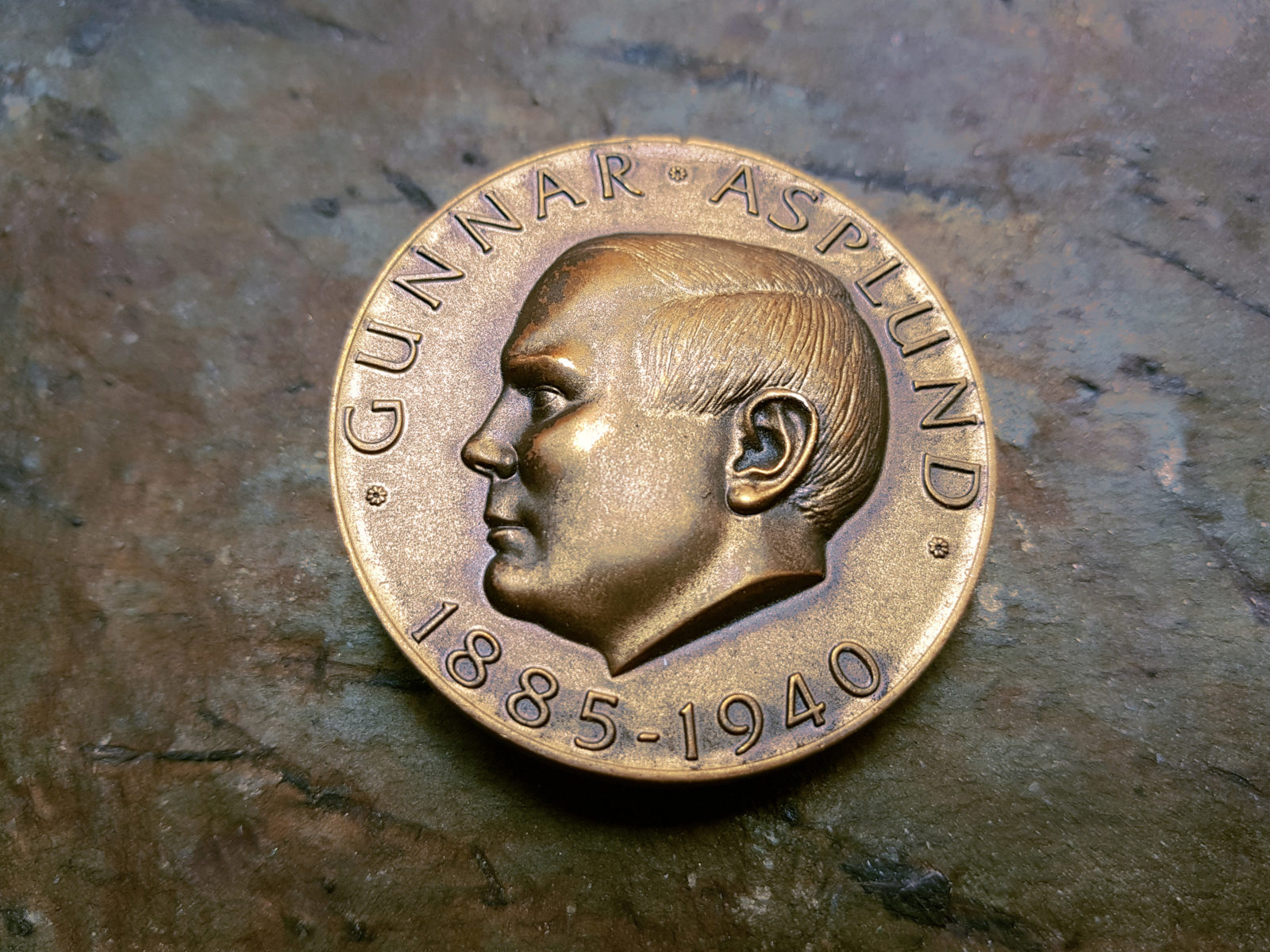
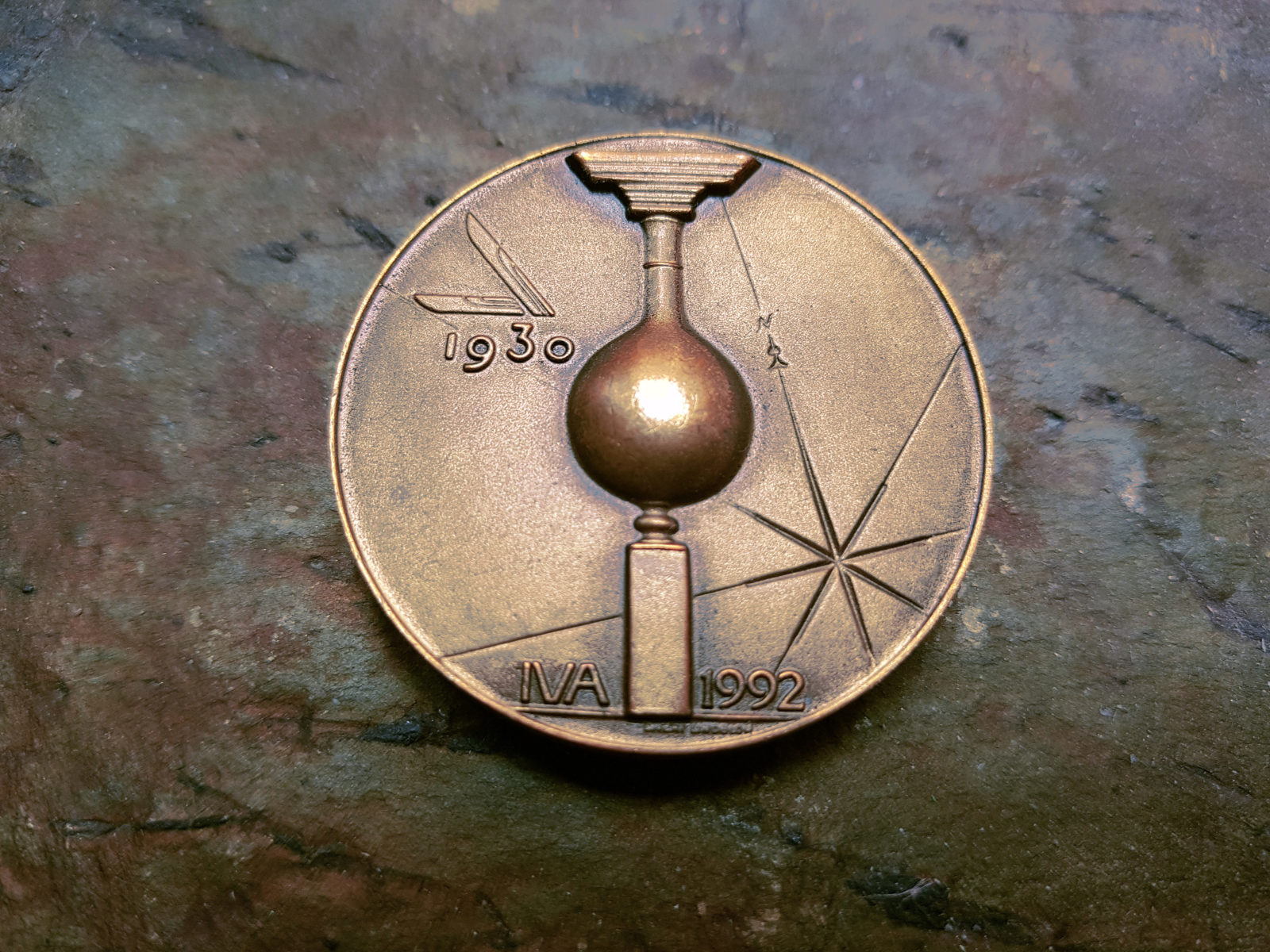
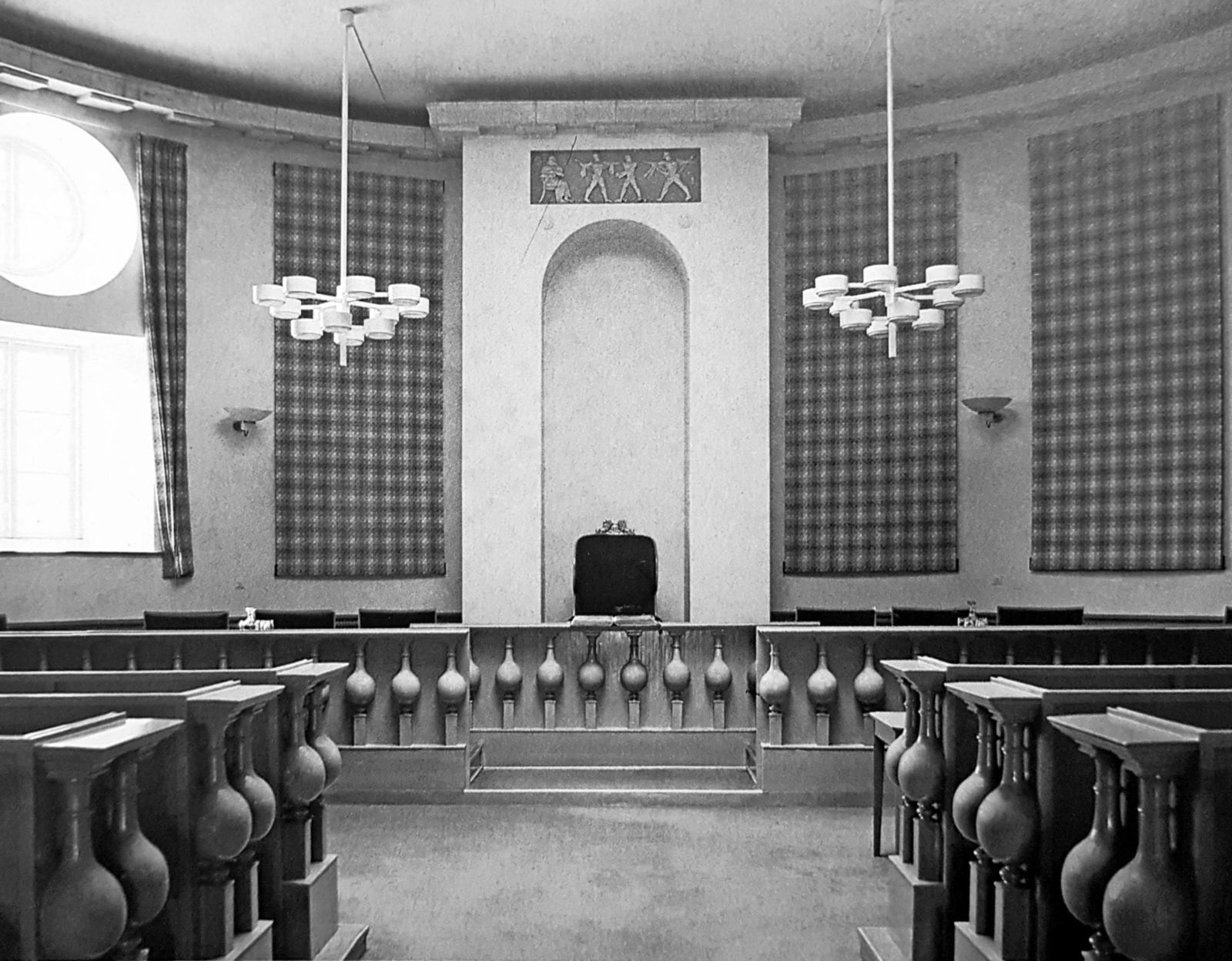
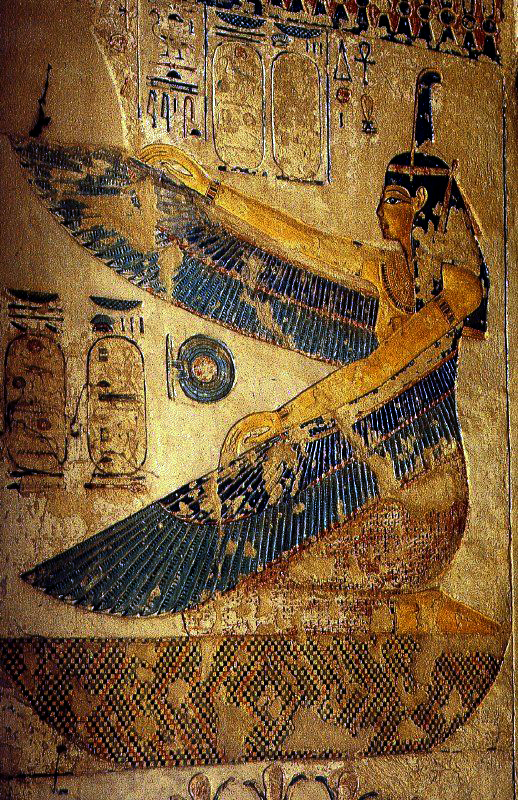
På minnesmedaljens ”framsida” syns arkitekten Gunnar Asplunds profil. På ”frånsidan” syns den funktionalistiska Stockholmsutställningens emblem – fällkniven från 1930 – tillsammans med en kompassriktning mot norr och en rund förhöjning som ger medaljen en balanserande egenskap och gör att den lätt snurrar på ett bord. Stockholmsutställningen genomsyrades av en ny miljöuppfattning och en modernare livsstil, vilket utmärkte idégrunden för 1930-talets funktionalism. Gunnar Asplund var utställningens huvudarkitekt och samarbetade nära med Lewerentz kring utformningen av masten, Den nästan 80 meter höga reklammasten till Stockholmsutställningen 1930 som ritades av Sigurd Lewerentz med texter och former i tidens ljus, "neon". Utställningens symbol – fällkniven, rakkniven – på toppen av Lewerentz har tolkats på många sätt. Men ursprungligen lär den ha varit en parafras på den egyptiska gudinnan “Isis” som förutom omsorg även representerar intuition och intellekt. Hennes omslutande vingar ska skydda det som finns mellan himmel och jord. Utställningens ”funktionalister” lade in en senare innebörd eller tolkning av den egyptiska förebilden, nämligen att symbolen skulle ge en vink om den vilja till uppbrott och förändring som genomsyrade hela utställningen. ”Utställningen skulle skära som en rakkniv och bana väg för modern formgivning.” Han är särskilt känd för sin roll i utformningen av Skogskyrkogården i Stockholm samt för sina banbrytande modernistiska och råa tegelbyggnader. Han vann, tillsammans med Gunnar Asplund, tävlingen om den nya kyrkogården 1915. Lewerentz ritade det strama och klassicistiska Uppståndelsekapellet (1925). Han är gravsatt i en anonym grav utan sten på sin skapelseplats på Östra kyrkogården i Malmö! "På medaljens ”baksida” har Sivert placerat ett klot i centrum, vilket innebär att medaljen kan rotera när man vill. En baluster: namnet kommer från grekiskans och latinets ord för granatäppelblomma. Själva klotet är i mitten av en ”balusterdocka – balusterpelare” – en svarvad stenpelare – som brukar ingå i genombrutna murar eller ”staket”, som ett vertikalt stöd för överliggaren i en balustrad av sten. Detta formelement förekommer ofta i Gunnar Asplunds arkitektur. Dessa förekommer även som andra typer av upprättade stöd, exempelvis som möbelben eller kolonner. På fotografiet från lilla tingssalen i Lister Härads Tingshus, Sölvesborg (1919–21) kan man se hur Asplunds balusterdockor i ramar in rätten och åhörarna med rader av dessa. Bilden från Siptahs gravkammare i Konungarnas dal (KV 47) utanför Luxor är från Egyptens nittonde dynasti (1194–1188 f.Kr.) och föreställer "Isis Maat", den egyptiska gudinnan för "Sanningen", "Balans", "Harmoni", "Rättvisa" samt relationen mellan "Mänsklighet" och "Det Gudomliga och den Universella ordningen". På medaljens mittpunkt sammanstrålar tecken från såväl Asplunds som Lewerentz' och Siverts estetik och emblem till ett centralt utbuktande, virvlande uttryck." /JÖ
Kungl. Ingenjörsvetenskapsakademien (IVA) Minnesmedalj+
Sivert fick uppdraget att utforma Kungl. Ingenjörsvetenskapsakademien (IVA) MinnesmedaljTill Akademiens 250-årsjubileum 2003 lät IVA framställa en jubileumsmedalj. Uppdraget för utformandet fick Sivert. Två exemplar producerades i guld, som H.M. Konungen och H.M. Drottningen fick mottaga, och 400 exemplar i silver till gästerna vid jubileumsbanketten den 20 mars 2003. På medaljens ”framsida” kan Kungl. Vitterhets-, historie- och antikvitetsakademiens latinska devis: SEMPER VIRIDES (ständigt grönskande) tillsammans med tre lagerbladskransar. På frånsidan finns husfasaden till Vitterhetsakademiens byggnad, en byggnadsminnesförklarad byggnad: Rettigska huset, Villagatan 3 i Stockholm. Carl Herbert Rettig (1888–1962) var en svensk historiker och donator.
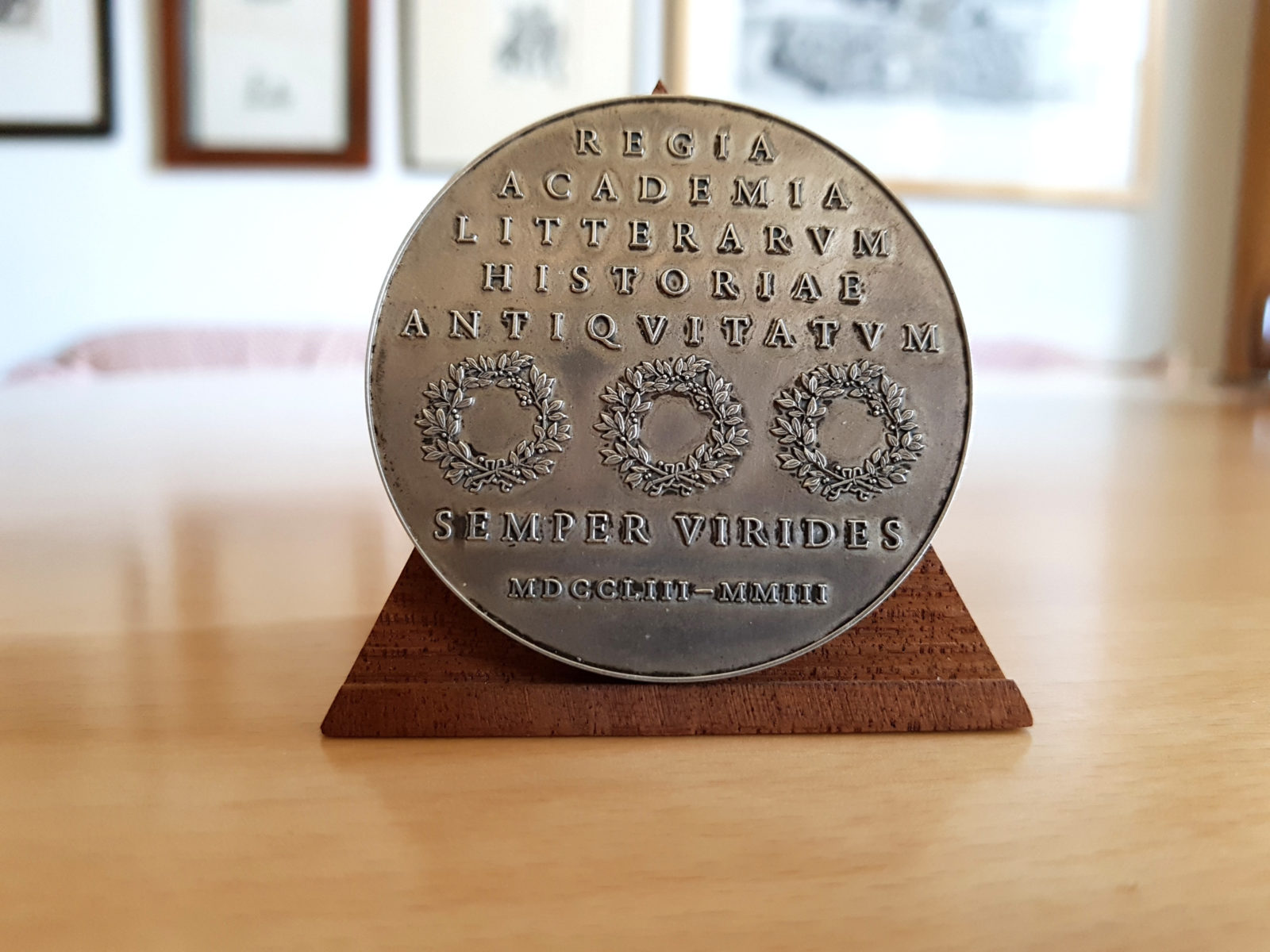
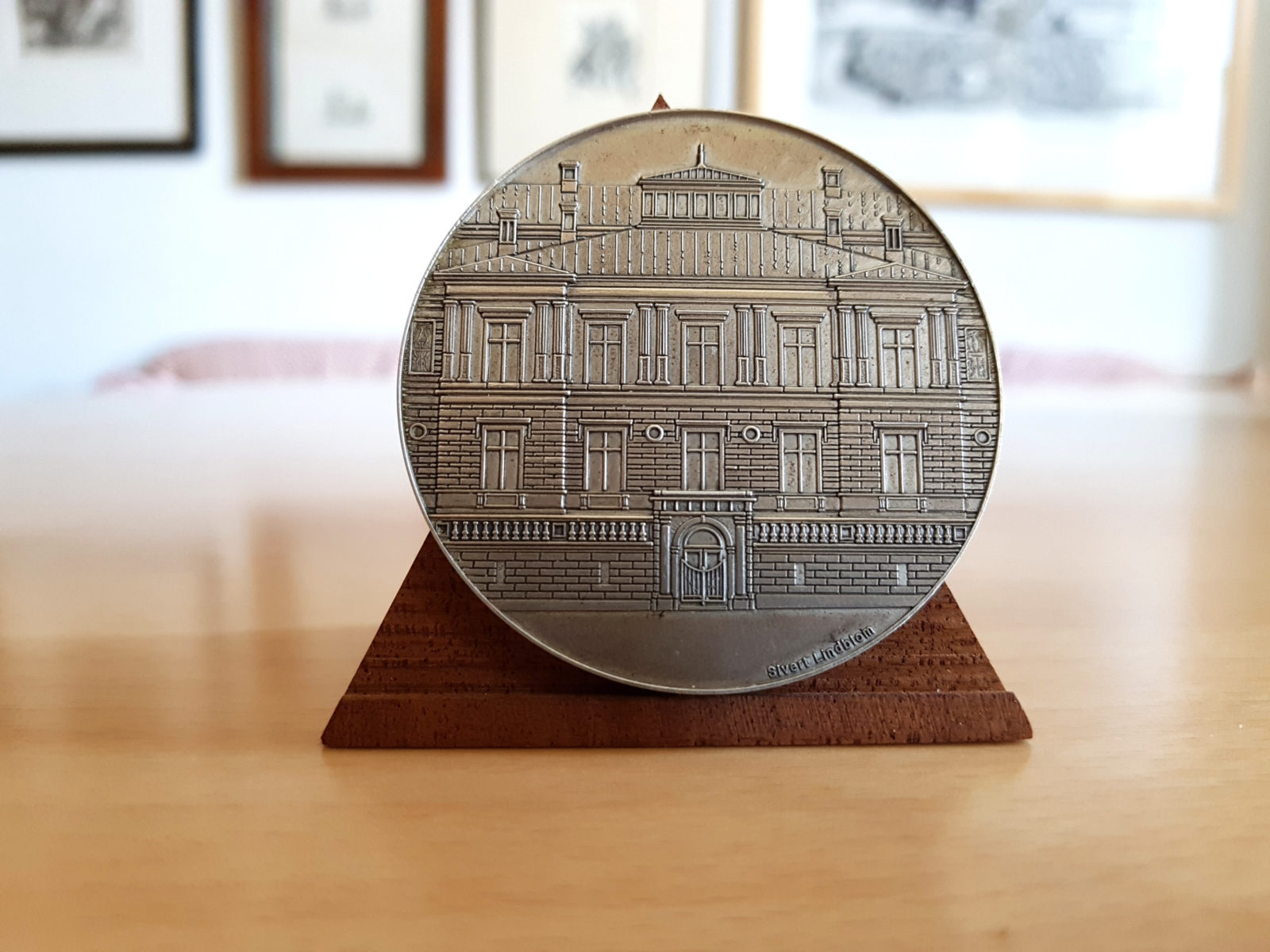
 Foto: Mathias Johansson
Selected public commissions
SLIDE SHOW: THE WORKS of SIVERT LINDBLOM – a selection (52 min)
Nobel MonumentNew York+
.
Selected group exhibitions
Bibliography (selection)
Source / more
Ur Konstrevy 5–6, 1966 Nya material, nya konstruktionsmetoder. Syntetmaterial och legeringar som tål vilken behandling som helst. Smidiga, lätta kameleontiska. Plasten har ingen ”själ”! Öppna, neutrala, generöst formbara material: blanka speglar för önskningar och idéer. Material och metoder som avsätter en ny formvärld, former som den traditionella formuppfattningen egentligen är ur stånd att avläsa och tyda till en acceptabel innebörd. De gamla kategorierna får inget fäste i den blanka, buktande, gränslösa ytan. Nu har ytan tagit över (eller håller åtminstone på att göra det). Med de nya materialen och metoderna innebär massan och kontrollen av massan inte längre samma vitala problem. De nya materialen tillåter en form som varken svarar mot den organiska eller den tektoniska formuppfattningen. Tyngdlagen, trögheten, statiken drabbar inte längre lika tungt och entydigt. En ny form växer fram, en form som radikalt förenar yta och volym, drar samman dem till ett böljande skal – fribärande och flexibelt. Innanför skalet finns ingenting! Ingen massa, ingen stomme. Ingen hjärtpunkt, inga axlar. Glidande förtjockas eller förtunnas skalet efter behov – men det är ingenting som kan upplevas tektoniskt, det erbjuder inga motsatsförhållanden, ingen dialektisk dramatik. Addering, sidoordning, asymmetrisk, decentraliserad utveckling ersätter den hierarkiska formorganisationen – ”storformen” behövs inte längre. Grammatiken upplöst i ”ordkedjor”! Rörelsen löper i ytan, längs skalet, runt skalet i alla riktningar – men den bryter inte längre vinkelrätt igenom. Supersurface: problemet är inte längre att konstruera en form, binda och stabilisera en massa, problemet är snarare att länka in formen i ett informations- och energiflöde. Det är väsentligare att uttrycka idéer och sociala funktioner än att beskriva isolerade materiella egenskaper. Det gäller tydlighet, åtkomlighet, anpassbarhet, utrymme. Ytor, fribärande skal, supersurface. Där så mycket information som möjligt skall kunna rymmas, transporteras, kombineras: samtidigt, bredvid varannat. Supersurface, lysande, glatt och böljande. Men den förutsätter också andra läsarter, en förändrad formuppfattning.
Source / more
Dessa sidor ur Paletten är en text som skrevs i skenet av de händelser som utspelades vid den 34:e Biennalen i Venedig. Texten har även publicerats av Kalejdoskop förlag 1983 – Konstnären som kommentator: svenska konstnärstexter från 1948 till idag, sammanställda av Bo Nilsson (ISBN 91 85552 38 0).
Photographs
Foto: Heinz Müllner
Foto: Mathias Johansson
Foto: Jan Öqvist
Foto: Jan Öqvist
Foto: Jan Öqvist
Foto: Magnus Lindblom
Foto: William Rappe
Foto: Jan Öqvist
Foto: William Rappe
Foto: Lasse Larsson
Foto: Lasse Larsson
Foto: Magnus Lindblom
Foto: Jan Öqvist
Foto: Jan Öqvist
Foto: Jan Öqvist
Foto: Jan Öqvist
Foto: Jan Öqvist
Foto: Jan Öqvist
Foto: Jan Öqvist
Foto: Jan Öqvist
Foto: Jan Öqvist
Foto: Jan Öqvist
Foto: Jan Öqvist
Foto: Jan Öqvist
Foto: Jan Öqvist
Foto: Jan Öqvist
Foto: Eva Bexell
Foto: Eva Bexell
Foto: Magnus Lindblom